A year ago I adopted a dog from the Elmore County Animal Shelter. I had been perusing shelter websites, but wasn’t sure if I was ready to commit. Milo’s profile caught my attention. I thought, I’ll reach out and just see what happens. The next day I went to meet Milo. Again, just to see. As soon as I entered the enclosure, a giant scraggly ball of energy appeared out of thin air. He rushed me, nearly knocked me down. His big muddy paw print, quite literally, stamped my heart. I was committed. I thought I was rescuing him, but as it turned out, he rescued me. In honor of our first “Gotcha Day,” I’d like to share the story of Prince. Prince was a devoted Saint Bernard who ushered his fifteen year old freedom seeking companion from slavery to freedom on the Underground Railroad.
Prince was a baby, a “great, clumsy looking puppy” when he first met Oneda. She herself was a young girl, just twelve years old. Prince and Oneda lived on a plantation adjacent to the Mobile River. Upon meeting Prince, young Oneda concocted a plan. “ Now, I’ll pet this dog and make him love me, and some day, we will escape together,” she told herself. Over the next three years, Oneda, unbeknownst to her enslavers, cultivated a strong bond with the puppy. She played with him, fed him, and laid with him. She encouraged other children on the plantation to tease Prince. She’d come to his “rescue,” winning favor in the dog’s eyes. Oneda taught herself how to read, discussed free states with the plantation mistresses, and learned geography by studying a map hanging on the wall. At fifteen years old, she decided it was time.
When Oneda struck out, Prince tried to nudge her back in the direction of the plantation. Seeing that she refused to turn back, he followed her. Oneda and “her faithful escort” traveled from South Alabama, through Tennessee, Kentucky, and ultimately across the Ohio River. While starving in Kentucky, they stopped at a house in search of food. A white woman offered to help, but then locked Oneda in a room and attempted to tie her up. The door slammed in Prince’s face. He sprung into action. Hearing the commotion and the screams of Oneda, he tried to get in. Realizing that clawing at the door would not open it, Prince found another way. The fiercely loyal St. Bernard “came crashing through a window, breaking glass and a sash, and seized the woman by the throat.” Oneda commanded Price, “easy.” The woman was spared and the pair continued on, but were not out of danger.
The woman who they left tied in the room sent a slave catcher after Oneda. Her white brother placed an advertisement in the papers offering a $450 reward for her capture, and the “very large black dog.” When accosted by the slave catcher and his dog, Oneda warned Prince would kill him and his dog. A standoff ensued. Accepting that she was no match for the slave catcher’s gun, she negotiated the terms of her arrest. She would go on the condition that Prince was allowed to stay with her. The slave catcher agreed. Prince and Oneda were jailed together. Before the letter advising that Oneda and Prince were captured could be mailed, they escaped again. The duo eventually made it to Canada. After their Underground Railroad journey, Oneda returned to the United States and attended college in Ohio. Prince, the fiercely loyal companion, stayed in Canada where he was “domesticated” into a loving family.
Sources:
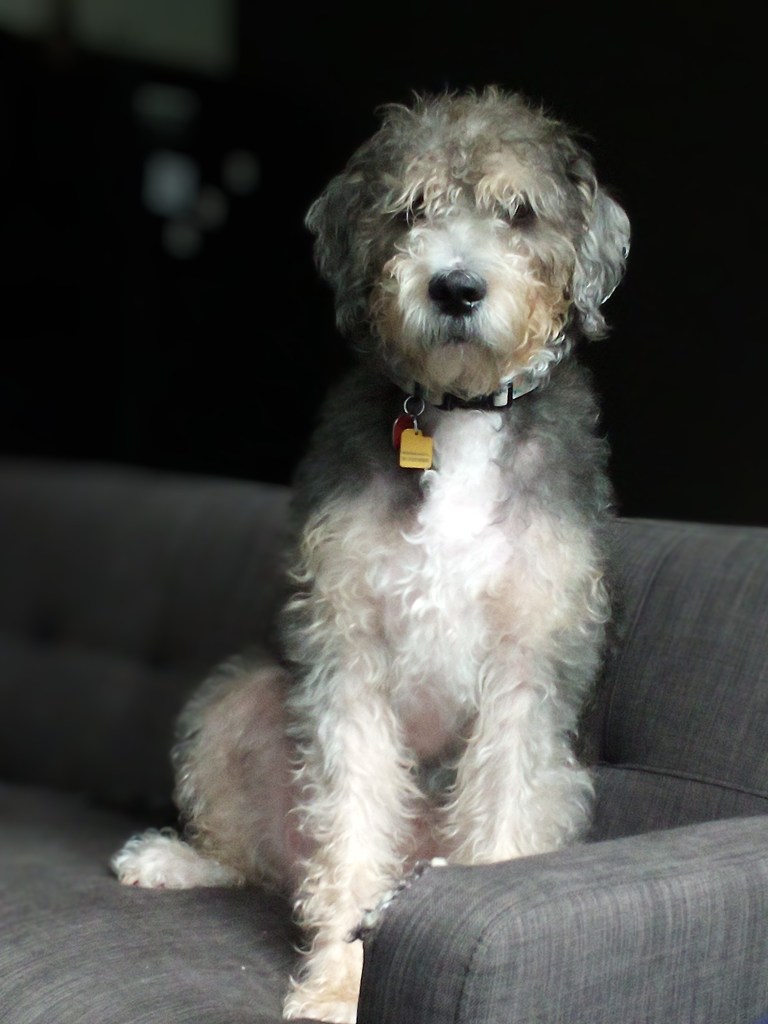
Milo, also known as “Teddy,” 2025

