I was minding my own black ass business enjoying the day that the lord hath made. It was a glorious one too. The words rang out. “Ugly nigger woman!” Stunned, I looked up. He looked me in my eyes, reloaded, and fired again. “You’re an ugly nigger woman!”
I was hit.
The words.. those hateful words…
It was I, for whom the bell tolled.
Those words.
Those lead filled words…painted red with blood of black bodies…pierced my body too.
I understood. Centuries of racism and sexism condensed into a split second interaction with a white male hobo, who even in his probable psychosis, clung to hate. When the ability to feel returned to my body, it hurt. It hurt for me. It hurt for my parents. It hurt for my grandparents. It hurt for everyone who lives in America’s margins where the worst of the worst, is reserved for us.
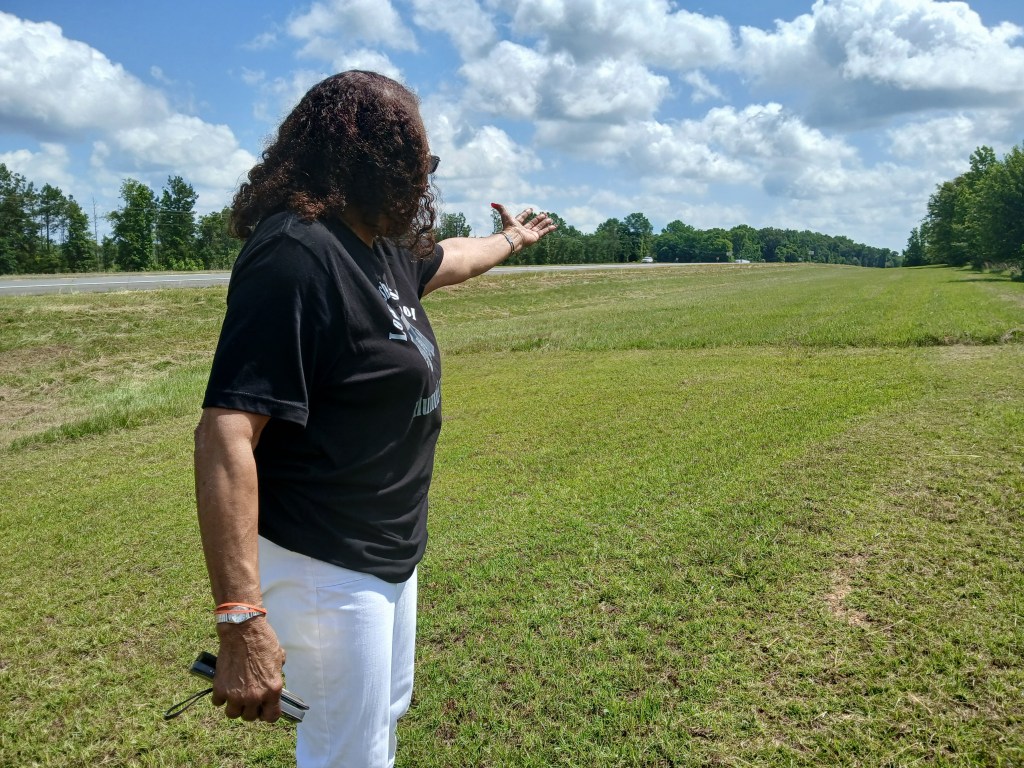
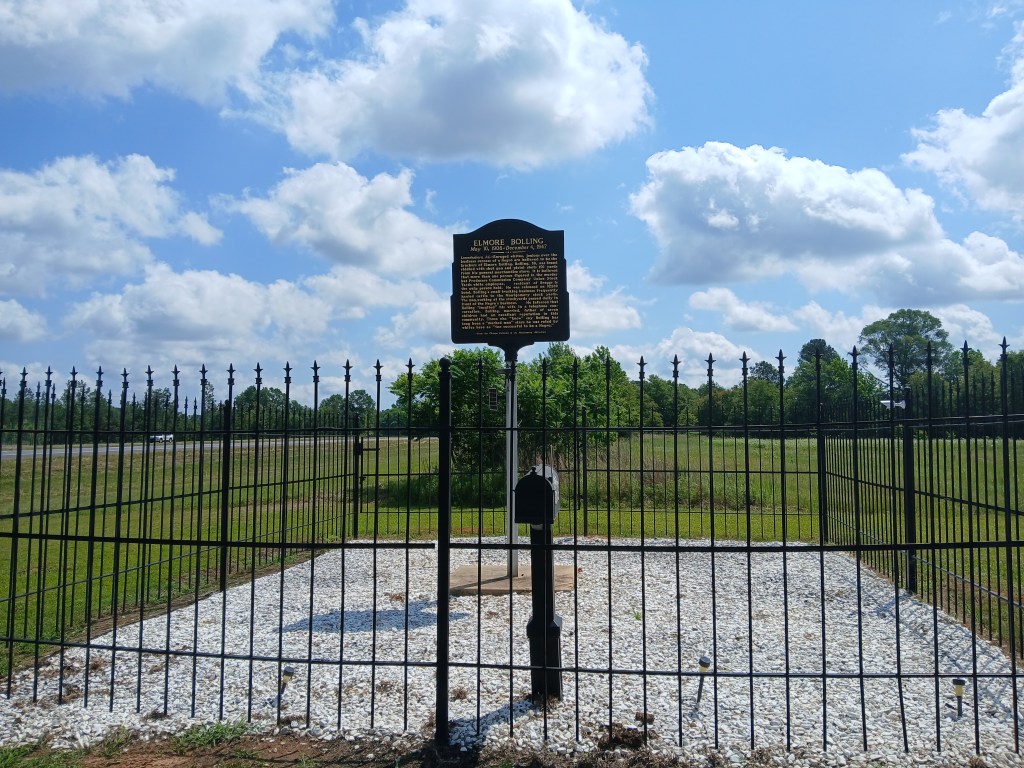
It hurt for Josephine Bolling McCall whose father was killed in Lowndes County, Alabama for being a successful businessman. I stand in awe of her and her strength to continually return to her father’s death site again and again. Although he was murdered, she breathes life into his name and his legacy. He IS Elmore Bolling.
Feelings precede thoughts. Thoughts precede words. Words precede action. The festering hatred harbored in that man and this country, kills.
One of my historian heroes, Deborah Gray White, said the most precarious place to occupy is that of the black woman because “if she she escapes the myth of the negro, she is ensnared by the myth of the woman.” Not only was I a “nigger,” I had the gaull to also be a woman. How dare I…
There’s so much more to say, but I’ll end here for now.
Today I sit and breathe life into myself and all beings past and present, particularly those who look like me. Preserve Black Alabama is not only about the physical places and various forms of history, but also the preservation of black people. That includes me.
I’ve been on a social media hiatus. Yesterday was confirmation that I am doing the right thing by stepping back and preserving myself. I may be down, but I am never out. Like the phoenix and Maya Angelou, I too shall rise again. For now, I rest in the garden of my foremothers. Radically, of course…
If you are reading this, may you rest radically too.
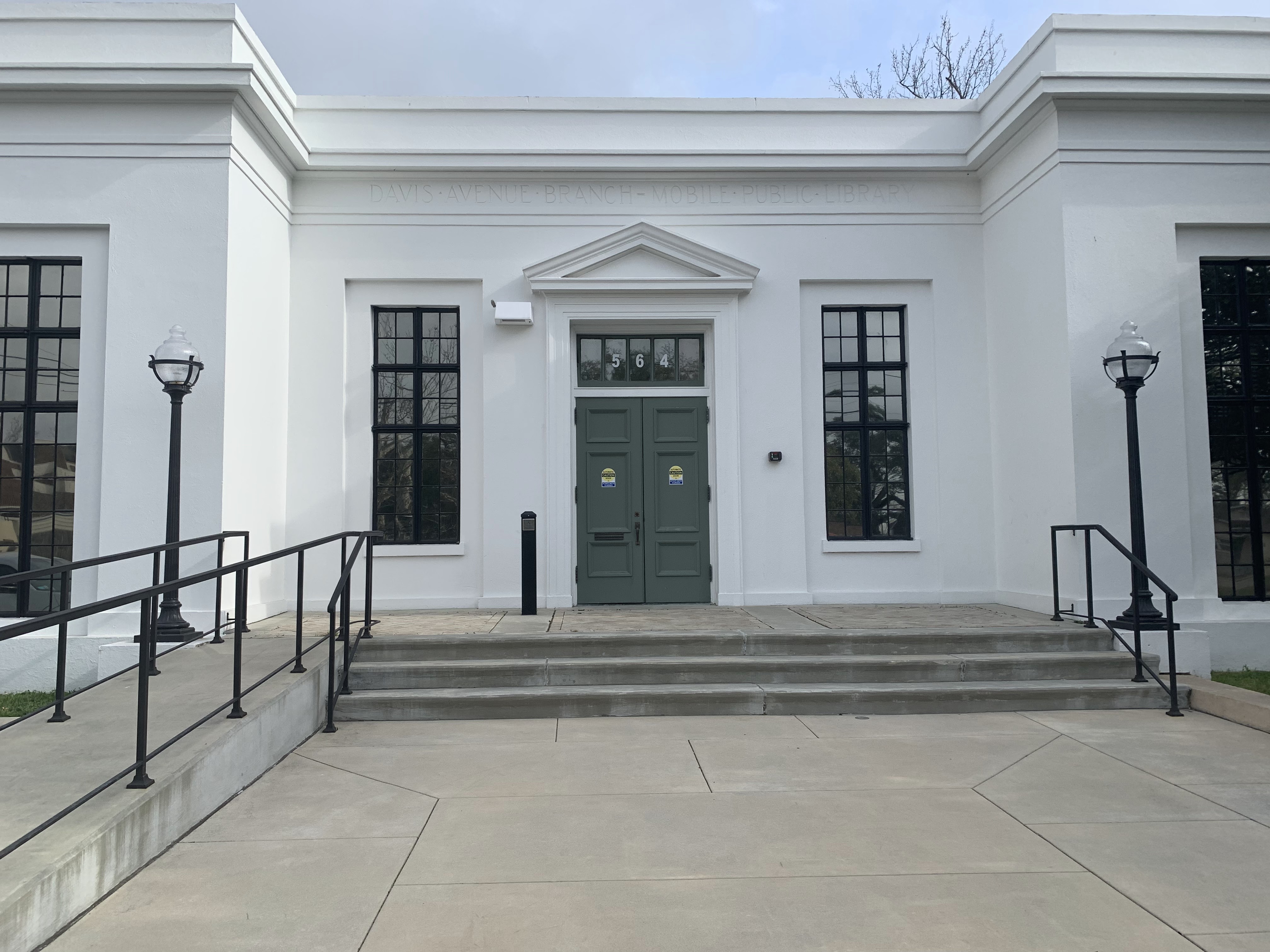
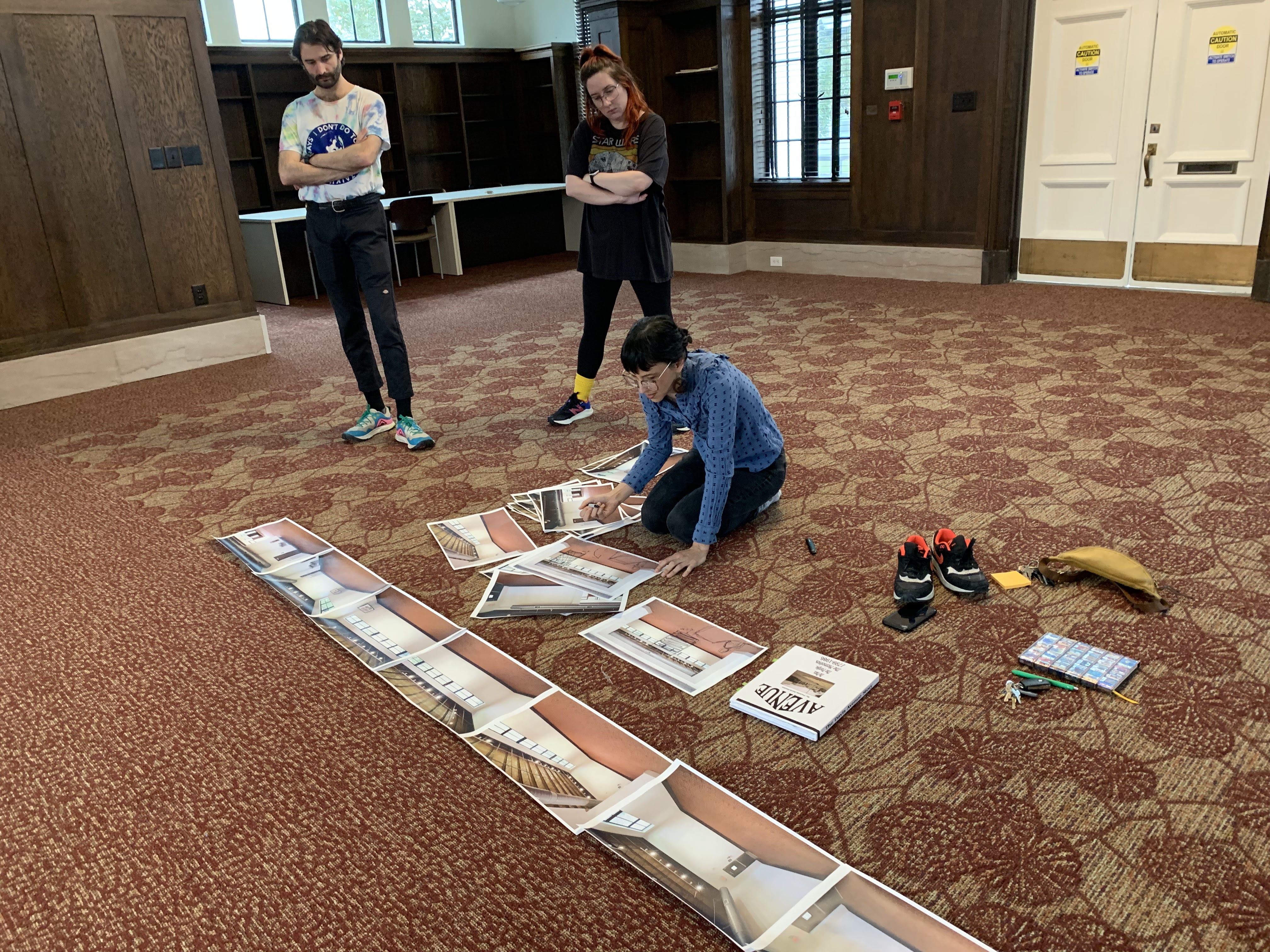
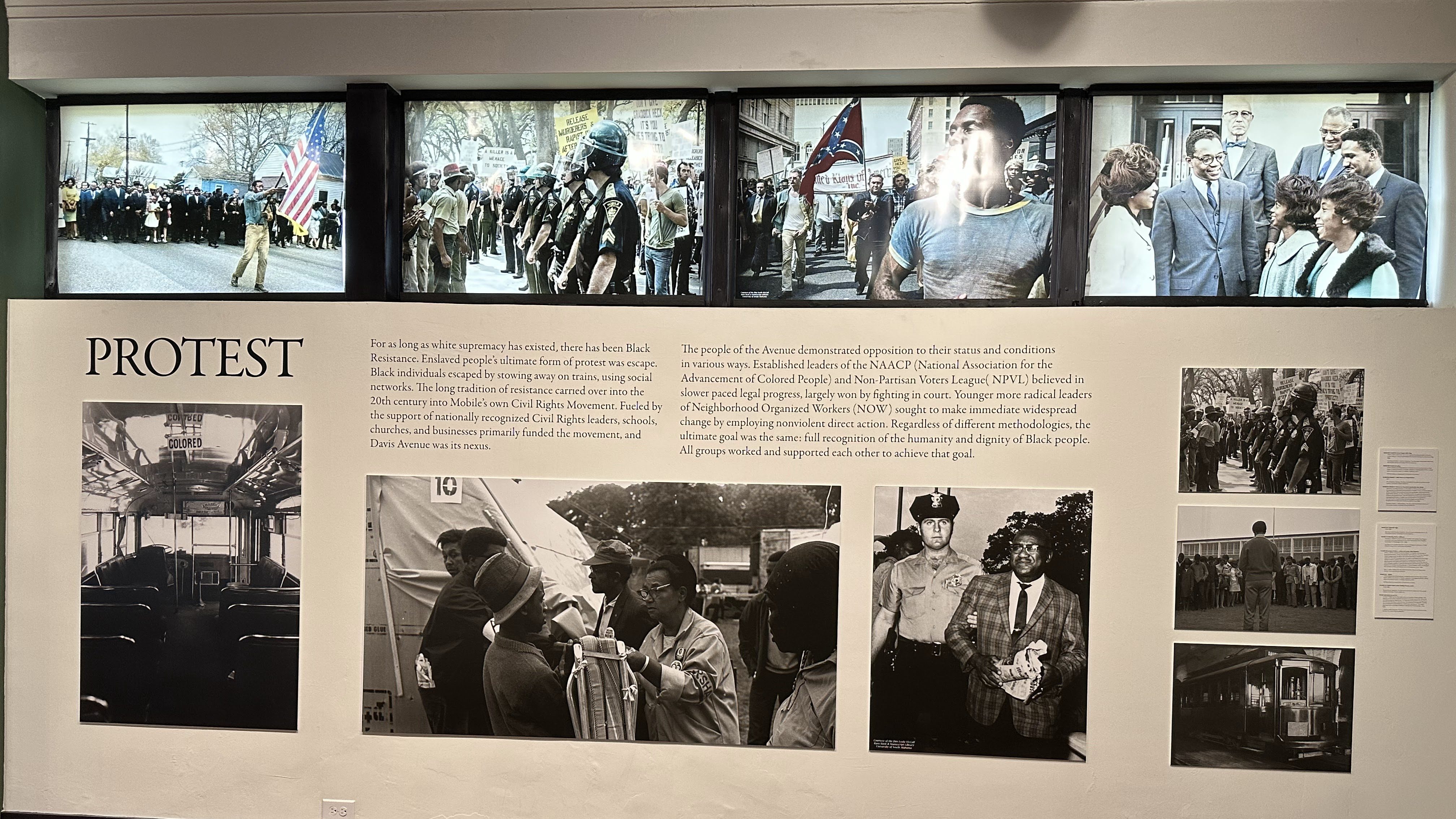
Recently one of my mentors said to me, “you’re living the dream.” He was right. I am doing the meaningful work that I set out to do. It was a long road but I’m here. Could things be better? Always. But my life is what I envisioned it would be. Two years ago I was fortunate to participate in the Alabama Contemporary Arts Center guest curator program. It was my first time curating an exhibit and I hope it won’t be the last. The exhibit is housed in what is now the Historic Avenue Cultural Center in Mobile, Alabama. The building was the “old colored library,” during segregation. It was the only library available to the Black population. The building also housed the African American Archives and Museum founded in 1992 by Delores Dees. I volunteered at the Archives with Ms. Dees. She passed away in 2022 but her example and her legacy lives on. Ms. Dees was a fierce champion for the building itself and the history it contained. I think she would be proud of what the building has become.
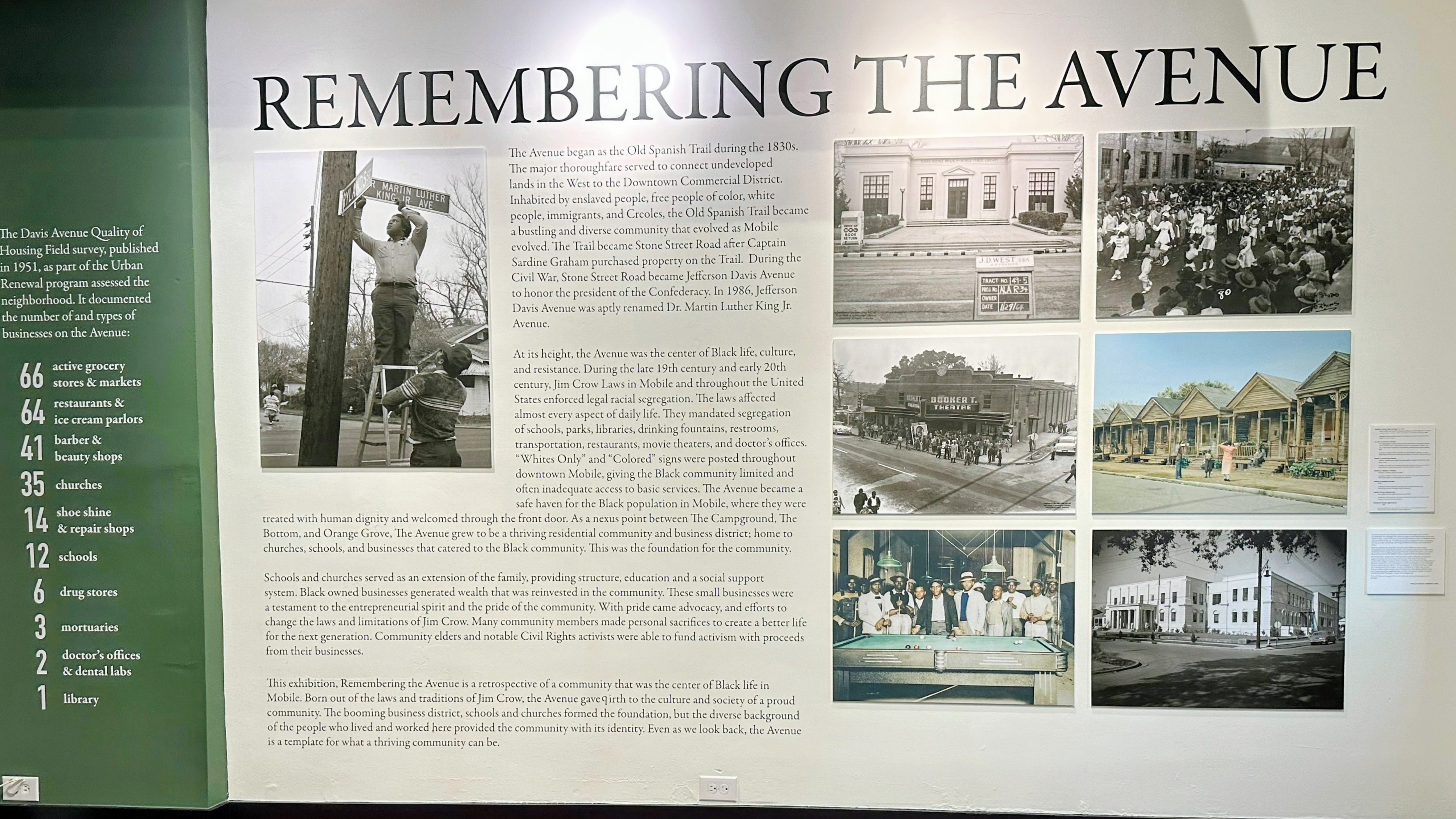
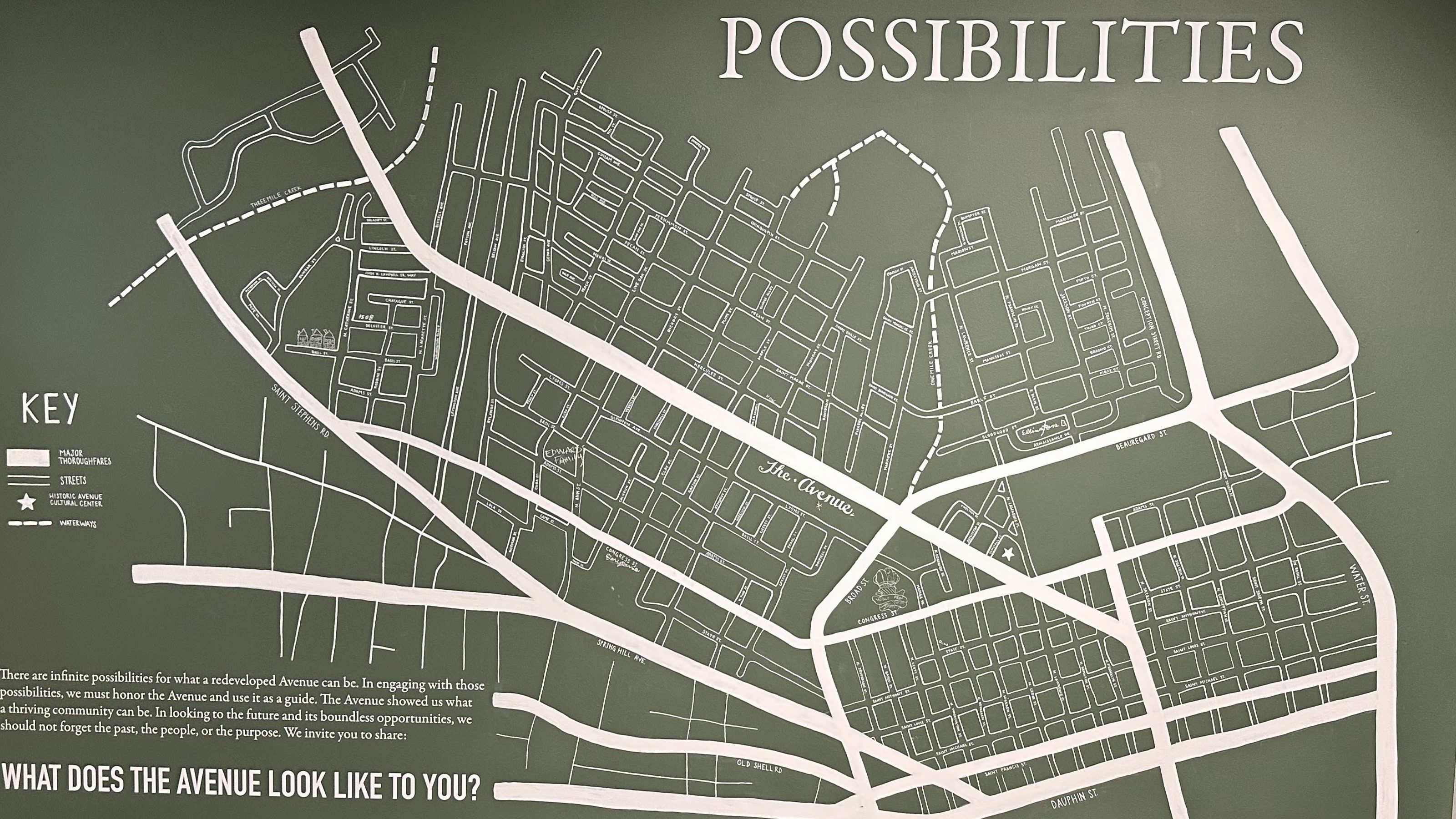
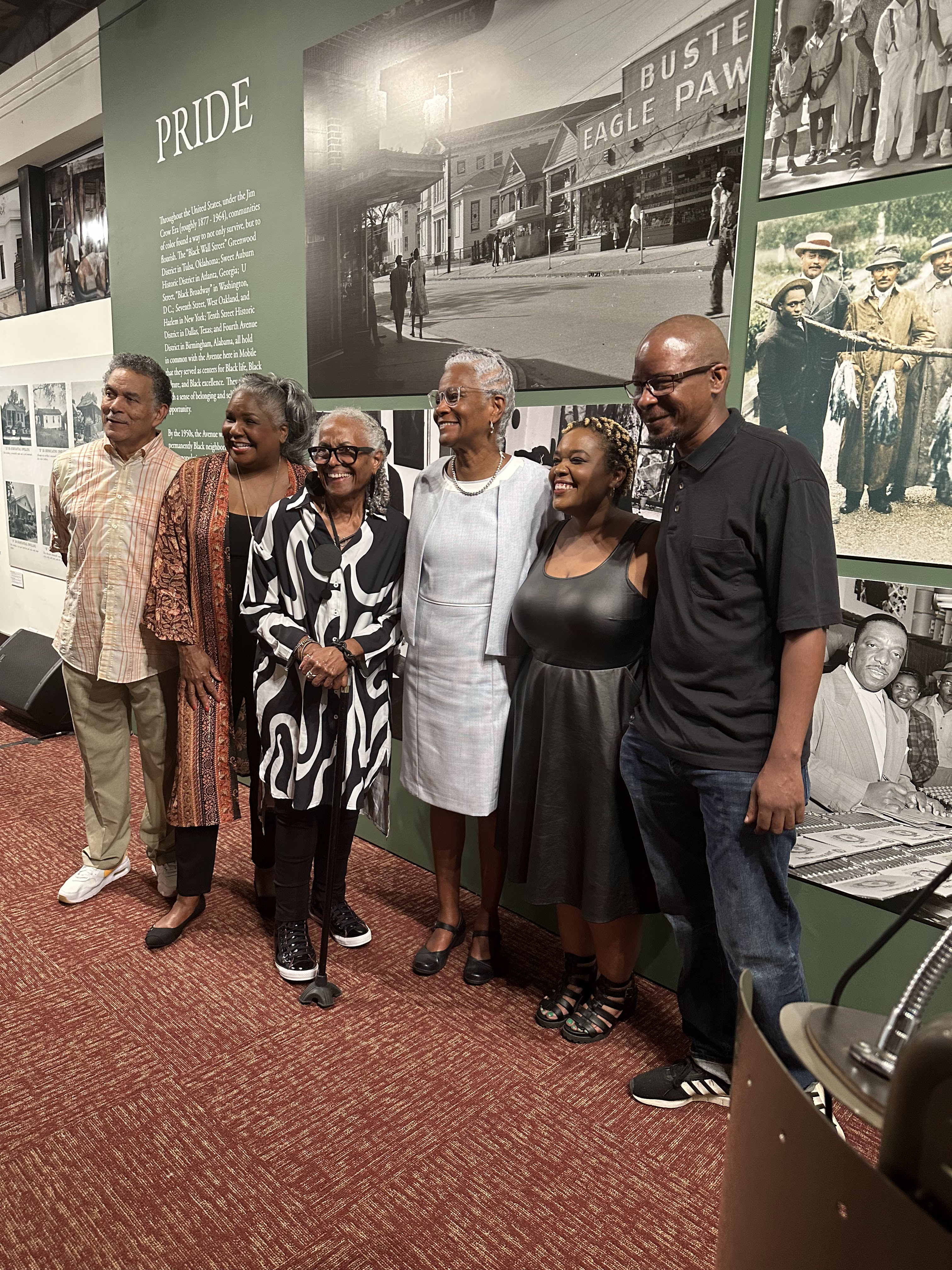
Curating this exhibit was absolutely one of the highlights of my life. Not only did I get to put my professional expertise to use, but I am also intimately attached to the subject, Mobile’s Historic “Avenue.” “The Avenue” was the premier destination for Black Mobilians under Jim Crow segregation. I grew up in this community and so did my family. Being embedded in the community gave me insight and the authority to speak from personal experience, not just what I read in a book. The Avenue Book, written by Paulette Horton, is still one of the few books written about Black Mobile History. It served as my guide. I distinctly remember being in Middle School when The Avenue came out. It was like the Bible, respected and highly cherished. My mom raved for years after she loaned someone her copy and they failed to return it. Below is the speech I gave at the opening along with some images. This work is hard. It doesn’t pay well and sometimes I find myself wondering “what’s the point?” But the faces of the guests was the reward. There were many hugs and tears of joy. I have to remind myself when it gets hard, remembrance and reverence is the point. That’s it.
Good Evening,
I am Jada Jones, guest curator of the Remembering the Avenue exhibit.
Tonight, I would just like to share with you how I decided on the themes Pride, Protest, and Possibility, and what they represent to me.
So, a little about myself. I am from Mobile. In my youth, my family and I lived in Maysville and DTB (Down the Bay), but primarily my formative years, middle school and high school were spent in the Campground. My grandparents and great- grandparents lived in the Campground, Orange Grove, and the bottom. My grandfather shined shoes at White’s Barber. My mother’s early years were in Orange Grove.
I attended Calloway- Smith Middle school. When it was first opened, it was located in the A.F. Owens building in the back of Orange Grove. We walked across the Ave and through Orange Grove to get to school. Once the new building was completed, my commute took me across the campus of Bishop State, past Johnson- Allen funeral home, past this building, and Stone Street.
We had friends in the bottom and Orange Grove. We walked up and down the Ave, spending summers swimming at JRT. We hung out with friends and family at our spot, “the wall,” on Adams street. We got our eyebrows arched at barbershops on the Avenue.
When our tennis shoes began to show signs of wear, we took them to “Black Power,” to have them restored. I still don’t know what was done to the shoes, but they were like brand new again. As a child, we did not understand why this store was referred to as “Black Power” and never questioned it.
We also participated in the annual MLK day march and the Central Weekend festivities. Again, at the time, I didn’t fully understand the context, but I understood the feeling.
I felt a sense of strength, solidarity, and love. I felt that I was part of something special, something greater than myself, something that was beyond my level of comprehension.
I say all of that to say, Having walked the streets and interacting with the people of The Avenue, The Campground, The Bottom, and Orange Grove, I felt the spirit of this place. That spirit is what I hoped to convey.
When thinking of the story that I wanted to tell about the Avenue, I first reflected on my own experience in the area. I asked myself, how was my life and personality shaped by the places and people here. Then I reflected on my relatives experiences, and asked how were their lives informed by the Avenue, what lessons did they learn, and what did they impart in me.
And finally, I thought about the Avenue itself and its history. In taking this layered approach, I was able to identify commonalities between the three.
Those commonalities became the themes; pride, protest, and possibilities.
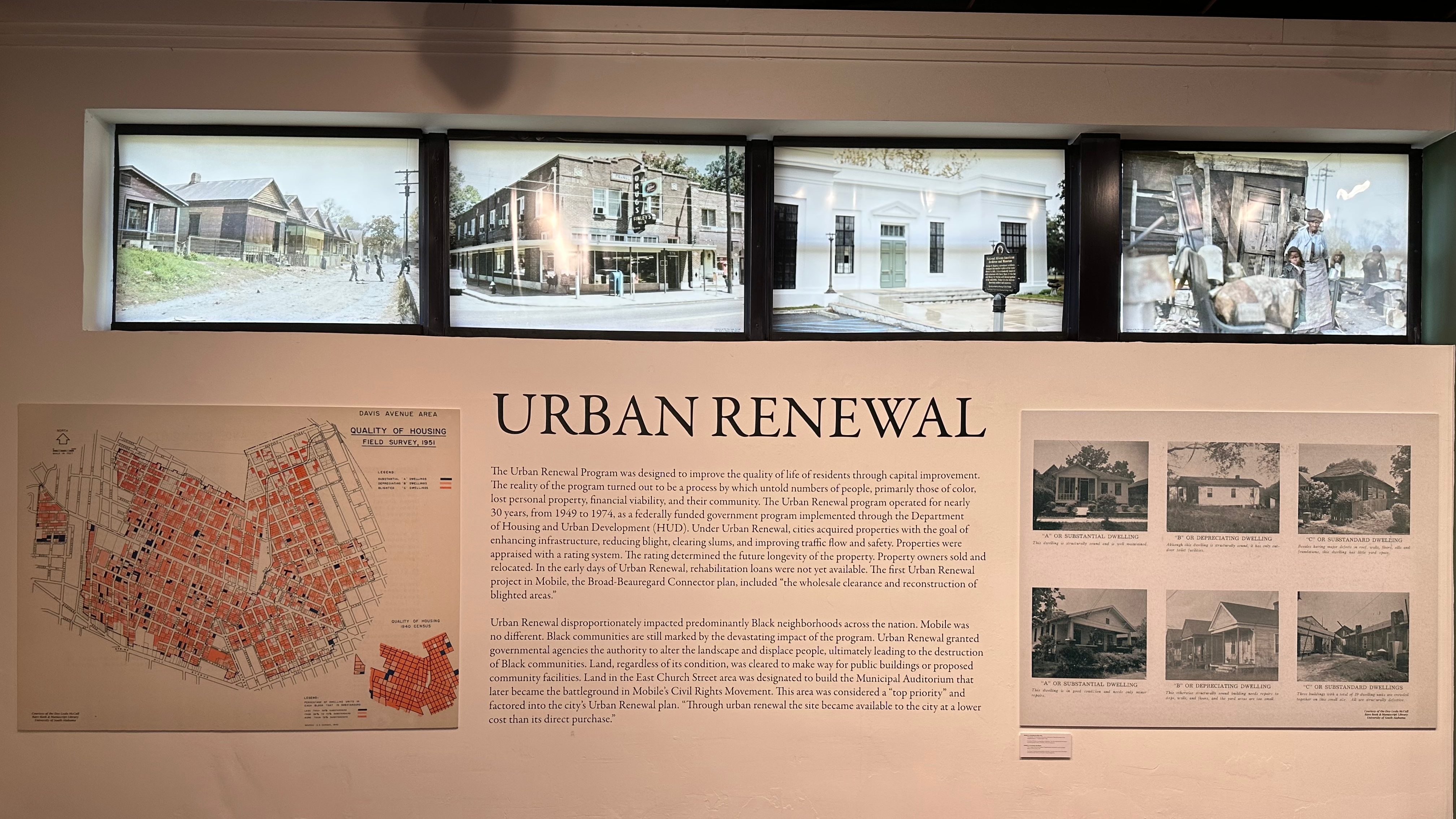
Urban Renewal
Although Urban Renewal is not a theme, one can not tell the history of the Ave without telling the story of Urban Renewal. It is imperative that we reckon with this legacy. The Avenue was home to some of the most successful black business and people in Mobile. But, it was also home to some of the poorest.
In researching for this project, I came across an account of a woman who lived on the Hickory Street Dumped. She was educated and well-spoken. She took pride in her appearance and her home. She dressed nicely and adorned herself with jewelry. She chose to live on the landfill, she felt safe and free there.
In order to fully appreciate the Avenue, and what it can be, we need to understand what was lost through Urban Renewal. A sense of home and community was lost. Tangible reminders of the significant places were lost. And, a sense of autonomy was lost. Yes, there was blight, but there was also beauty. Yes, there was poverty, but there was also perseverance. The Avenue experienced great, intentional harm under urban renewal, but it survived and will continue to do so.
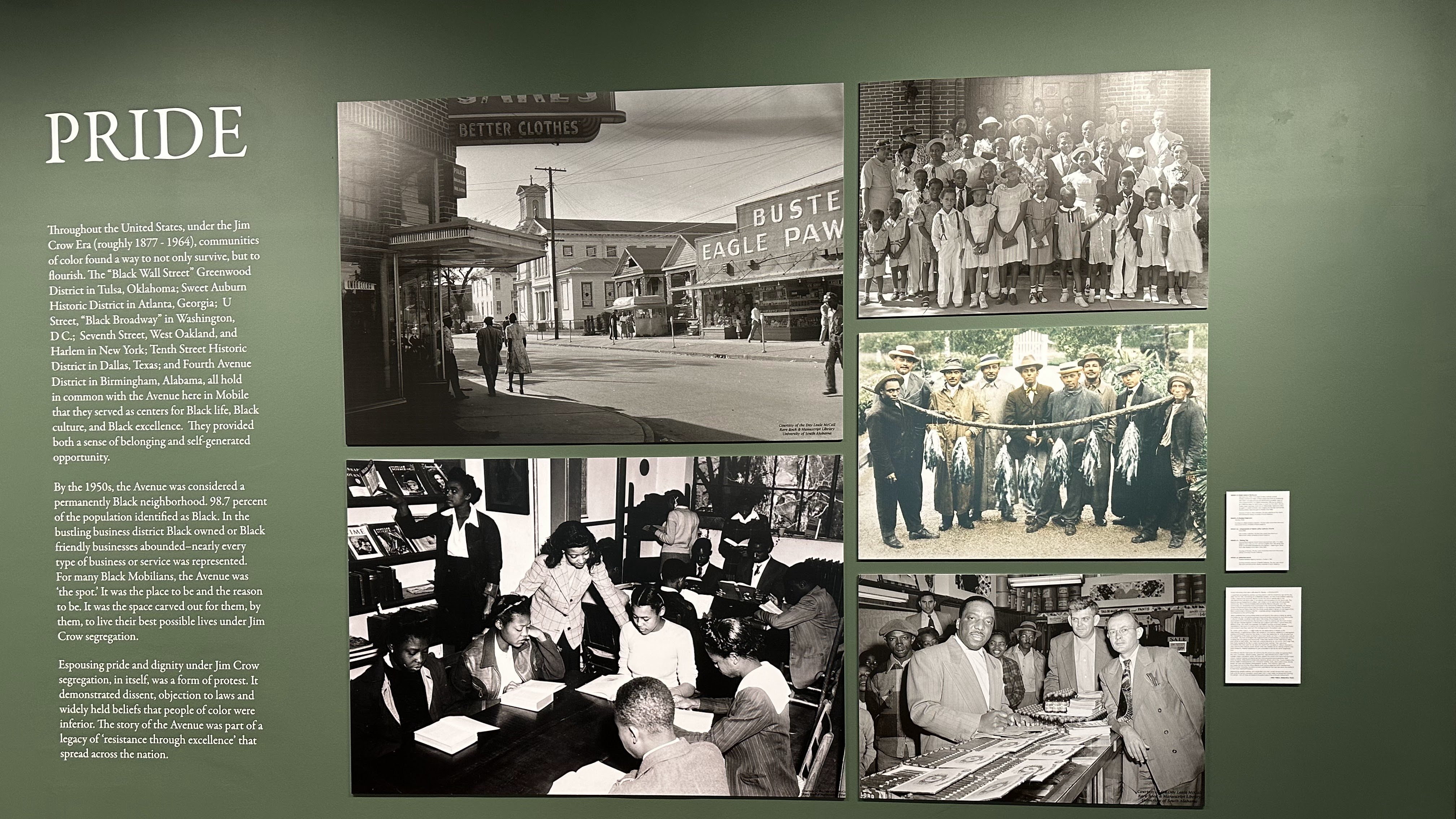
Pride
In terms of pride, I thought about the multiplicity of ways pride manifested itself. There was individual pride. There was community pride, and there was racial pride. These three notions of pride are evident in the institutions; the families, schools, churches and businesses, the community was built upon.
These institutions created the social fabric of the community. The message I received growing up that I was just as good, if not better than anyone else, despite my race. I was capable of doing whatever I wanted if I put my mind to it. And finally, being Black was something to be proud of. Those were the lessons of the Avenue.
Protest
The Civil Rights Movement in Mobile was largely organized and operated from the Avenue, and it efforts reached the entire city and beyond. Mobile was supported by nationally known civil rights activists and organizations. Ella Baker, friend and colleague of John L. Leflore helped to establish the Mobile Branch of the NAACP. Neighborhood OrganizedWorkers (NOW) was a member of the Southern Christian Leadership Conference. Activists came from outside the area in support of the movement. Dr. MLK Jr, Julian Bond, Fred Shuttlesworth, Jack Greenberg, Joseph F. Lowery, Stokely Carmichael, Dick Gregory, and Freedom Riders, had all been affiliated with the movement and the Avenue.
Additionally, Corretta Scott King sang at the ILA Hall. Aside from the organized protests, their was protest of the individual and the spirit. You have a right to life, you have a voice to use, and that regardless of the circumstances, your spirit can remain unbroken. Those were the lessons I learned from the Avenue.
Possibilities
As we remember the Avenue, and consider the possibilities of what it could be, my hope is we use it as a guide as we move forward. The Avenue grew out of necessity due to legally sanctioned segregation. Now, in 2023, we have the opportunity to create “The Beloved Community.” The term “The Beloved Community” was popularized by Dr. MLK Jr. The “Beloved Community” was a “practical possibility humanity could create, on earth, as a spiritual goal. In Beloved community, love and justice rule people all identities are equal and included, and conflict is solved by non-violent means of reconciliation.”
Reconciliation is possible. John Lewis said, “Democracy is not a state. It is an act, and each generation must do its part to help build what we call the Beloved Community, a nation and society at peace with itself.” The Beloved Community is possible. Please consider this exhibition my contribution, on behalf of my generation, to help achieve the beloved community.
Acknowledgements:
I would like to thank Commissioner Ludgood for making this possible. I would like to thank Elizabet Elliot and the ACAC team for bringing my vision to life. I would like to thank the research team; Eric Finley, Sheila Flanagan, and Michael Campbell for offering their support, expertise, and first hand experiences. I would like to acknowledge Renee Dials, who is also a part of the research team. Renee conducted interviews with numerous Mobilians about their memories of the Avenue.
Giving space for the people speak for themselves is always best practice. Those interviews conducted by Renee are now a part of the historical record of the Avenue. It builds on the work created by Paulette Horton’s book “The Avenue. Without Paulette Horton, we would not be equipped to tell this story.
And finally, I would like to say thank you ALL for trusting me with your history.
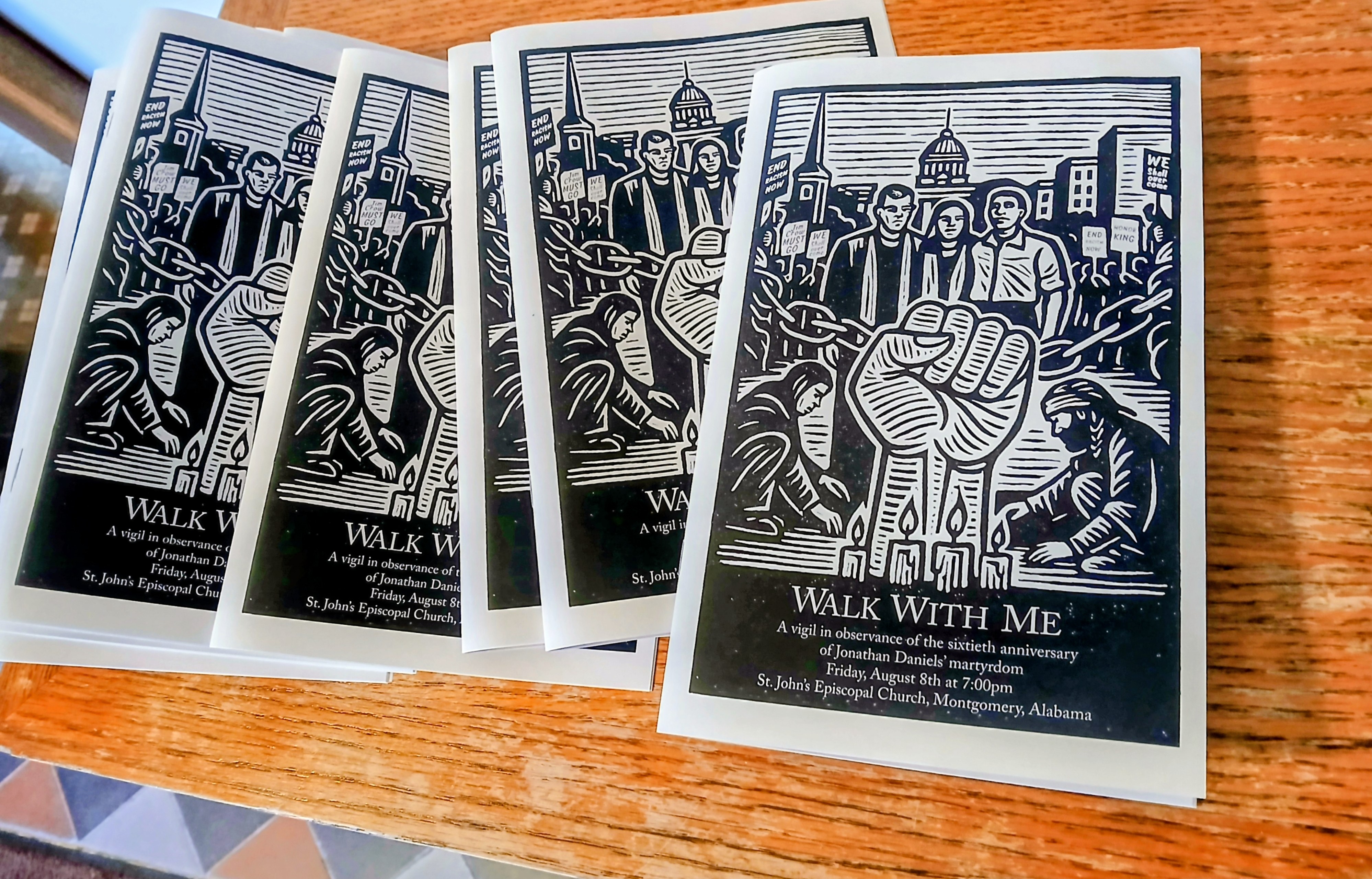
Last month I attended the 60th annual pilgrimage in honor of Jonathan Myrick Daniels. It marked 60 years since the murder and martyrdom of Daniels.
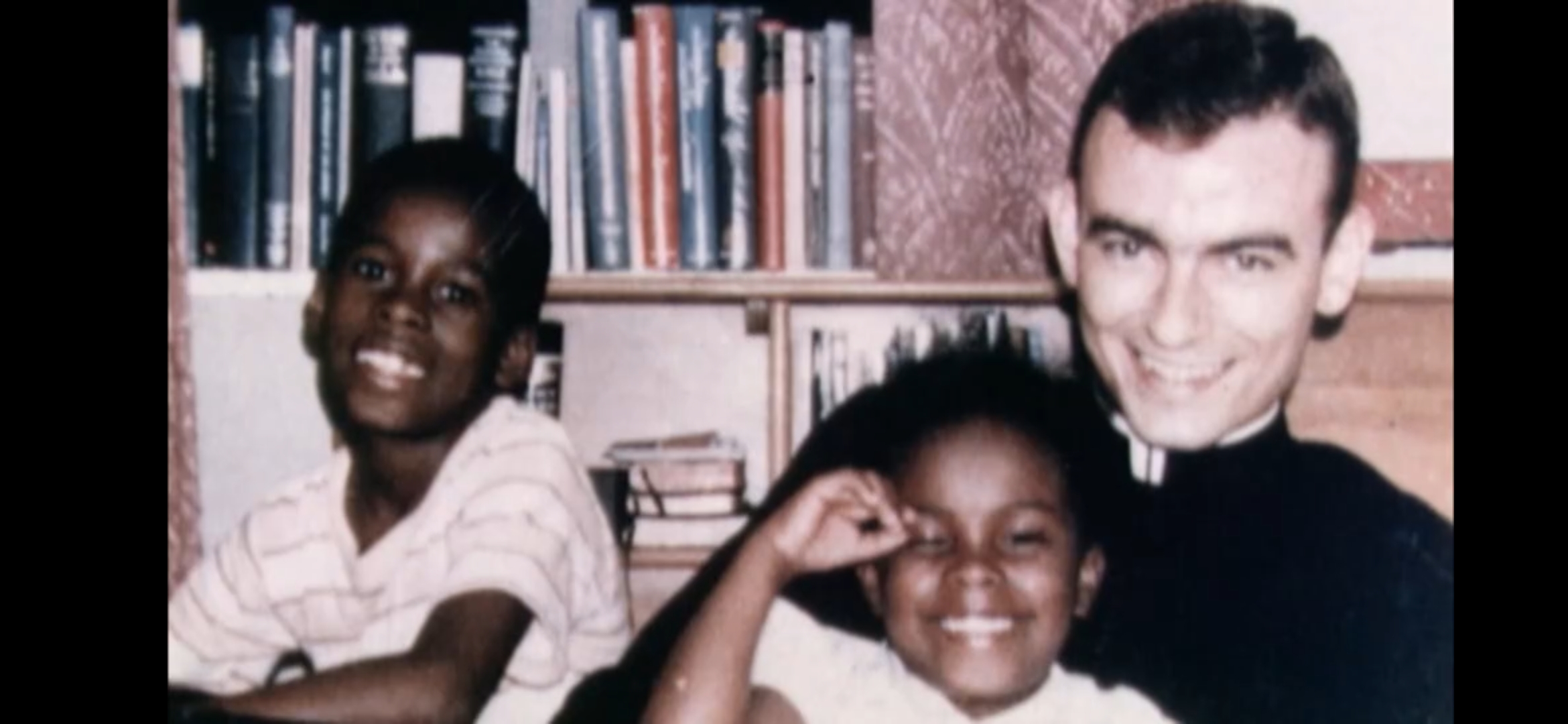
Jonathan Myrick Daniels was a twenty six year old Episcopal Theology Seminary student. He was killed in notoriously violent “Bloody Lowndes” County, Alabama in 1965. When Dr. King issued the call to Northern civil rights workers to come South, Daniels answered. So did Richard Morrisroe, a white Catholic priest and members of SNCC (Student Nonviolent Coordinating Committee).
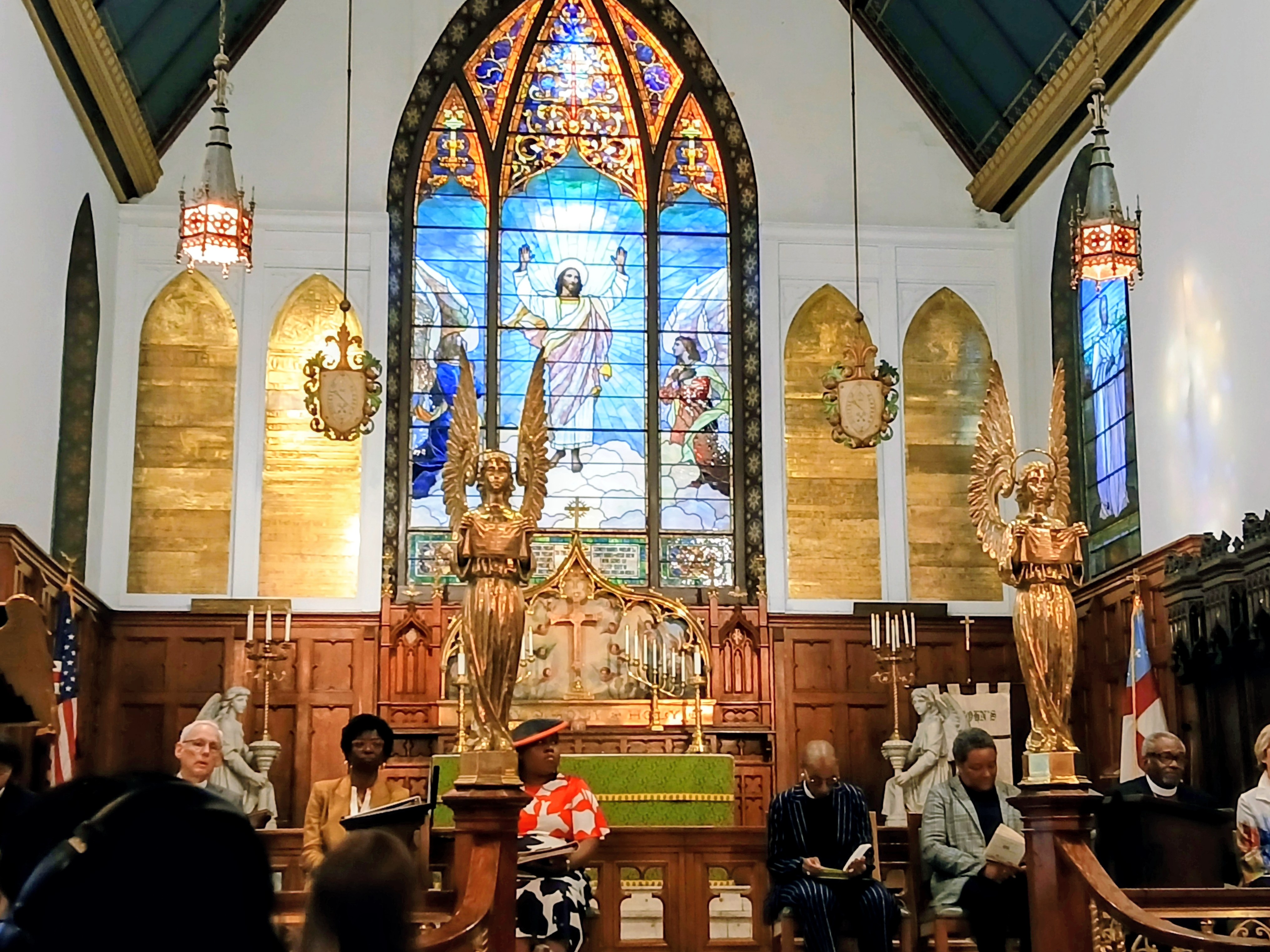
I was not familiar with Jonathan Daniels until I started working on a project about Lowndes County. Out of curiosity, deep admiration, and respect I decided to participate in the celebration of life. There was a service at St. John’s Episcopal Church the evening before the pilgrimage. The opera singer brought everyone to tears.
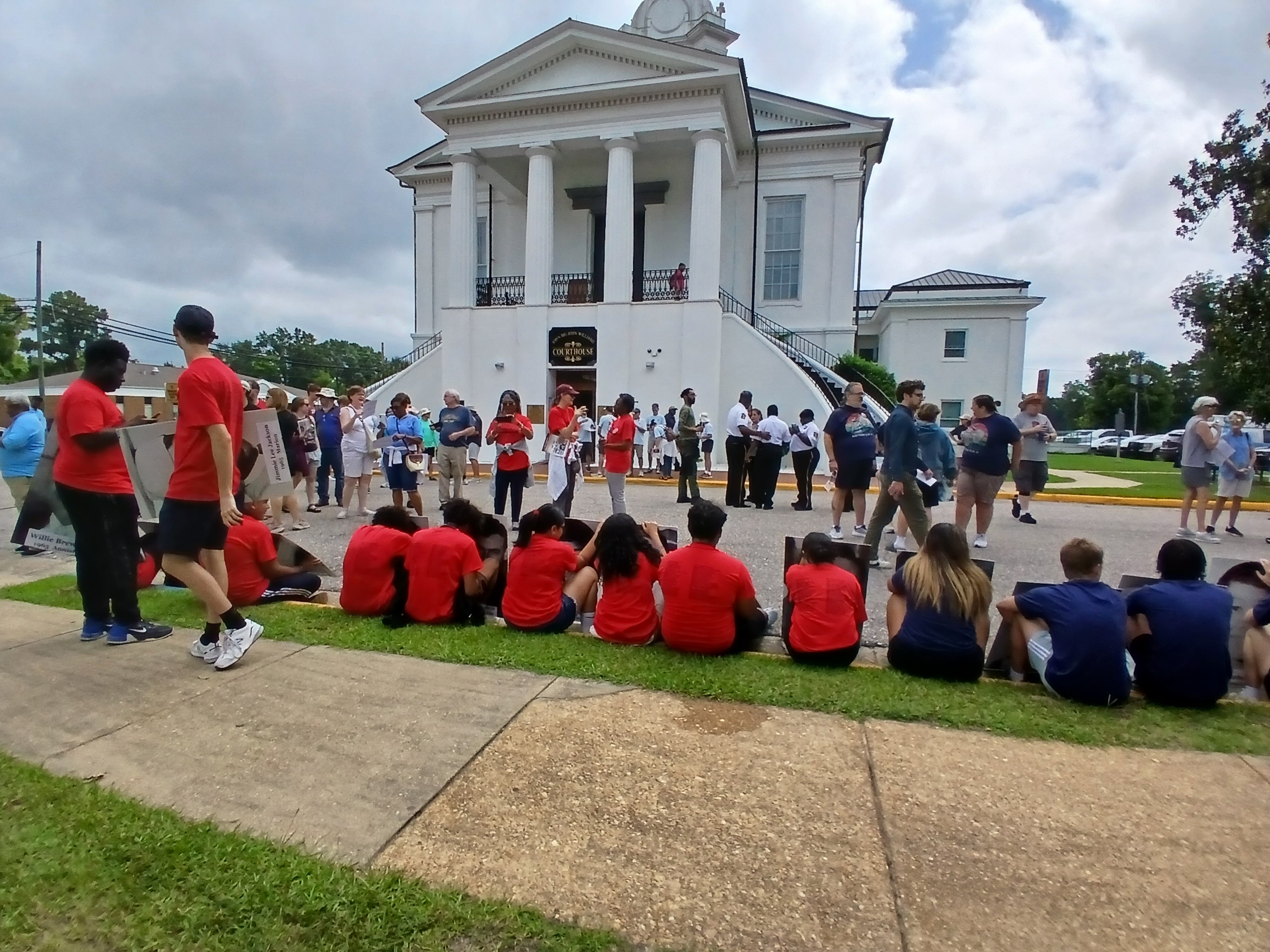
The next morning we gathered at the Courthouse. I wore my favorite five finger shoes, hydrated, and dressed appropriately for the weather. Prepared, I thought….
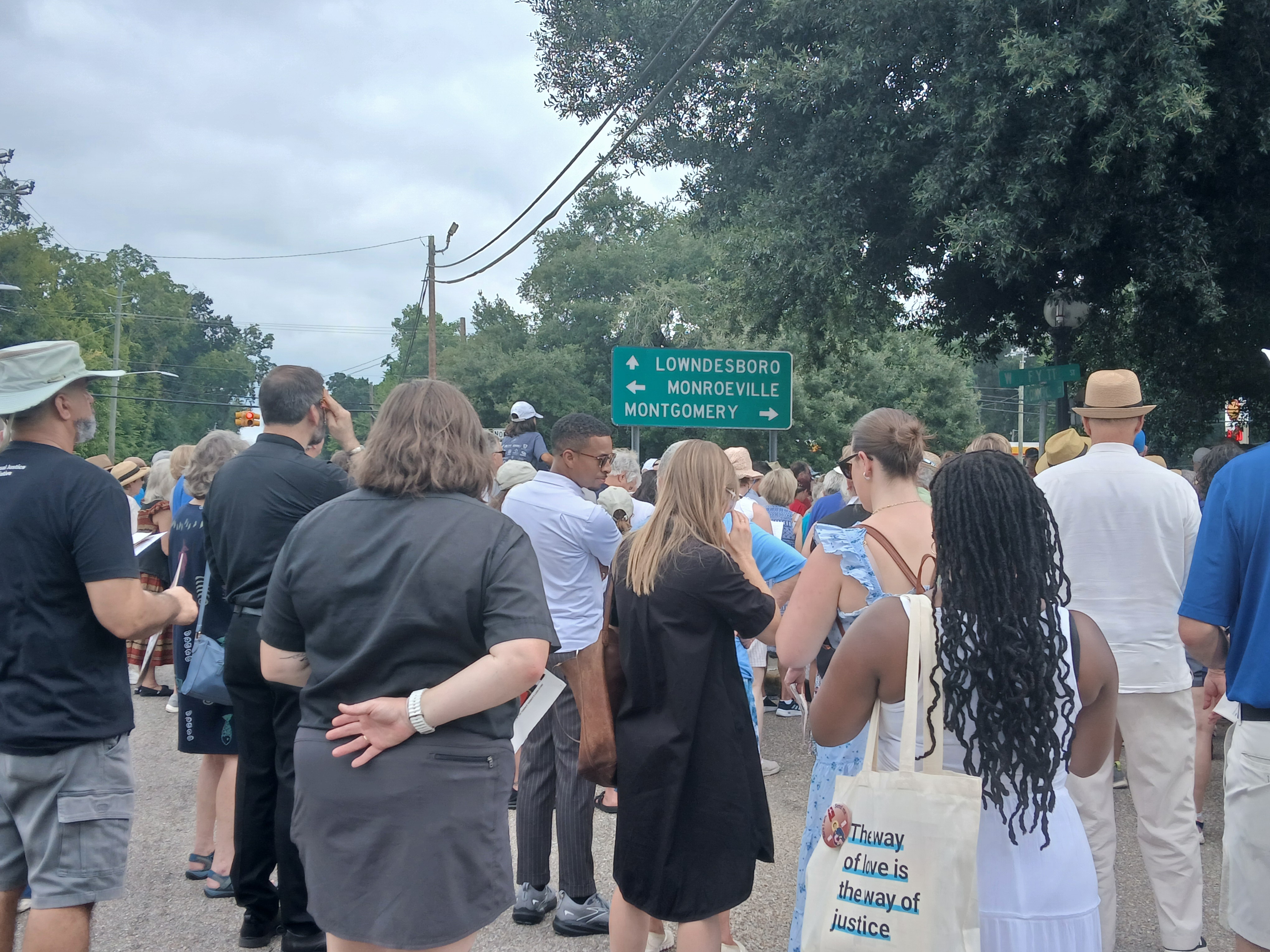
The priests opened with some words about Jonathan, why we were gathered after 60 years and why we would continue to gather in his honor. The pilgrimage also recognized additional Alabama Martyrs.
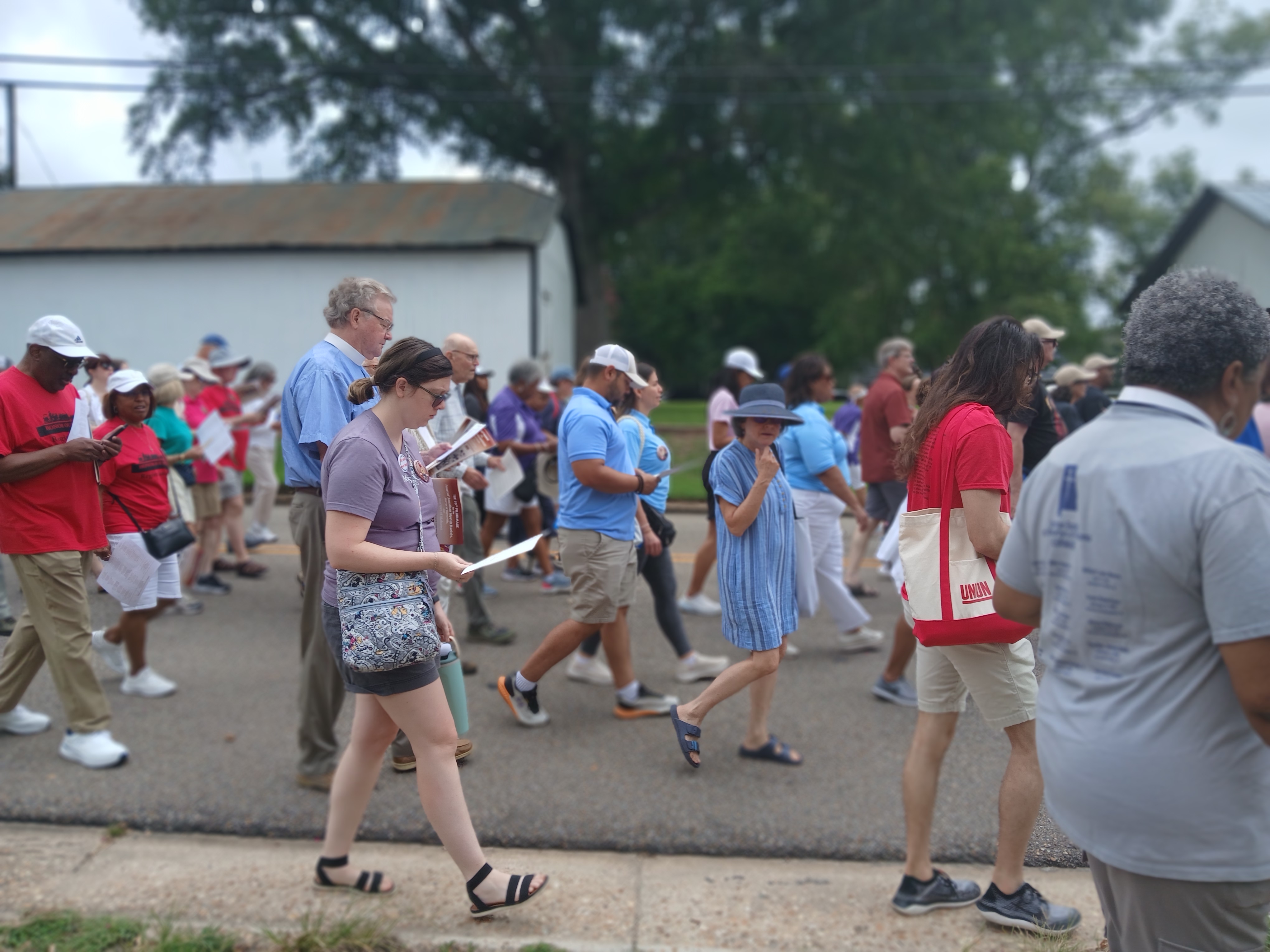
The short journey began. We walked and sang songs of freedom.
We stopped at the Hayneville Jail.
The civil rights workers had been arrested at a demonstration in nearby Fort Deposit. Daniels, Morrisroe, Joyce Bailey, and a seventeen year old Ruby Sales were put on a garbage truck and taken to jail. They stayed 6 days in the Hayneville jail under conditions Sales described as “barbaric.” Guards threatened to abuse them physically and sexually. Ruby developed an ulcer, was sick and denied medical care. She and Jonthan passed notes to each other during the stay, somehow. Women and men were kept on separate floors. After a week the jailer abruptly demanded “Get out of here. You’re free.”
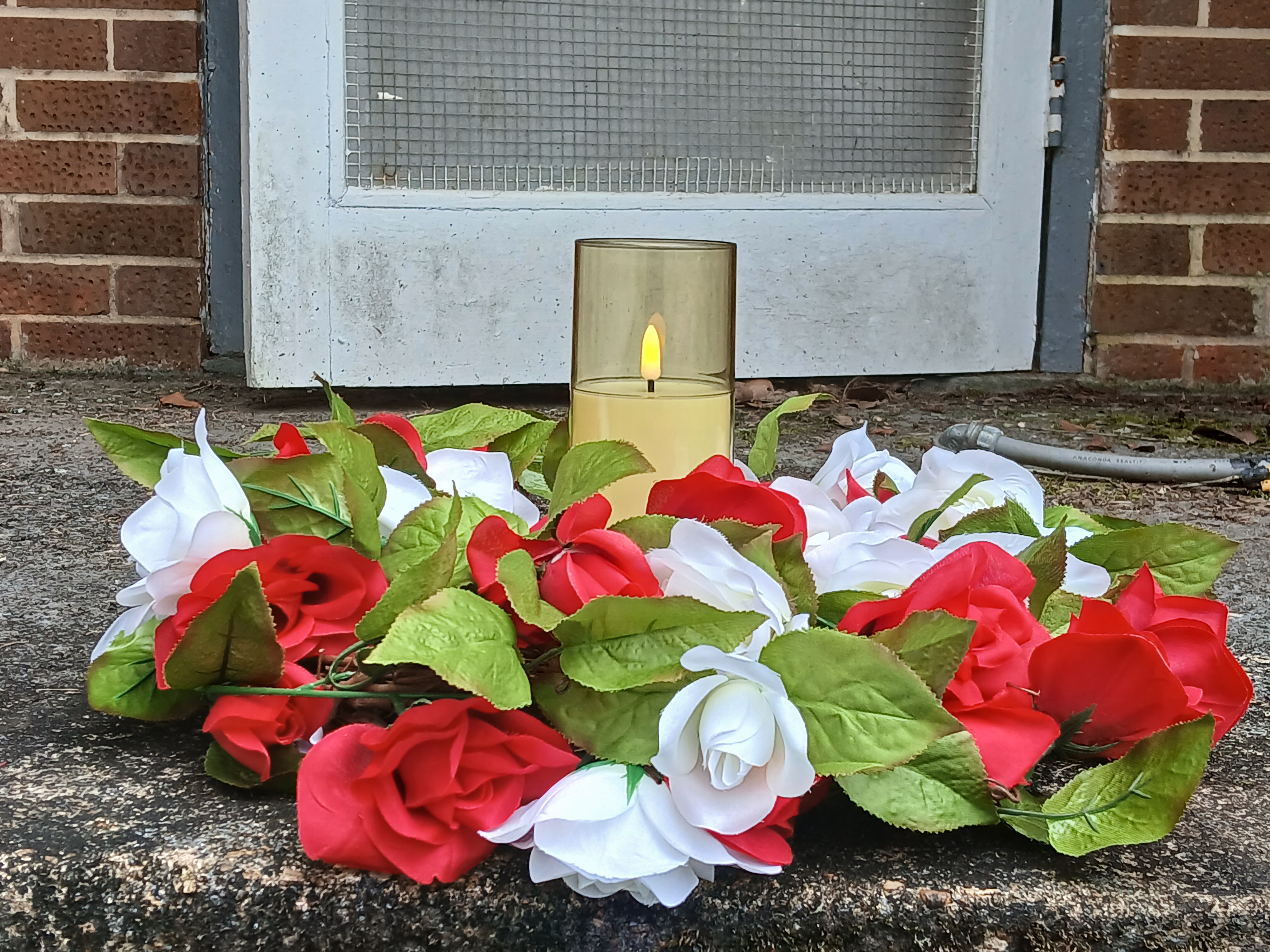
A wreath was laid at the jail.
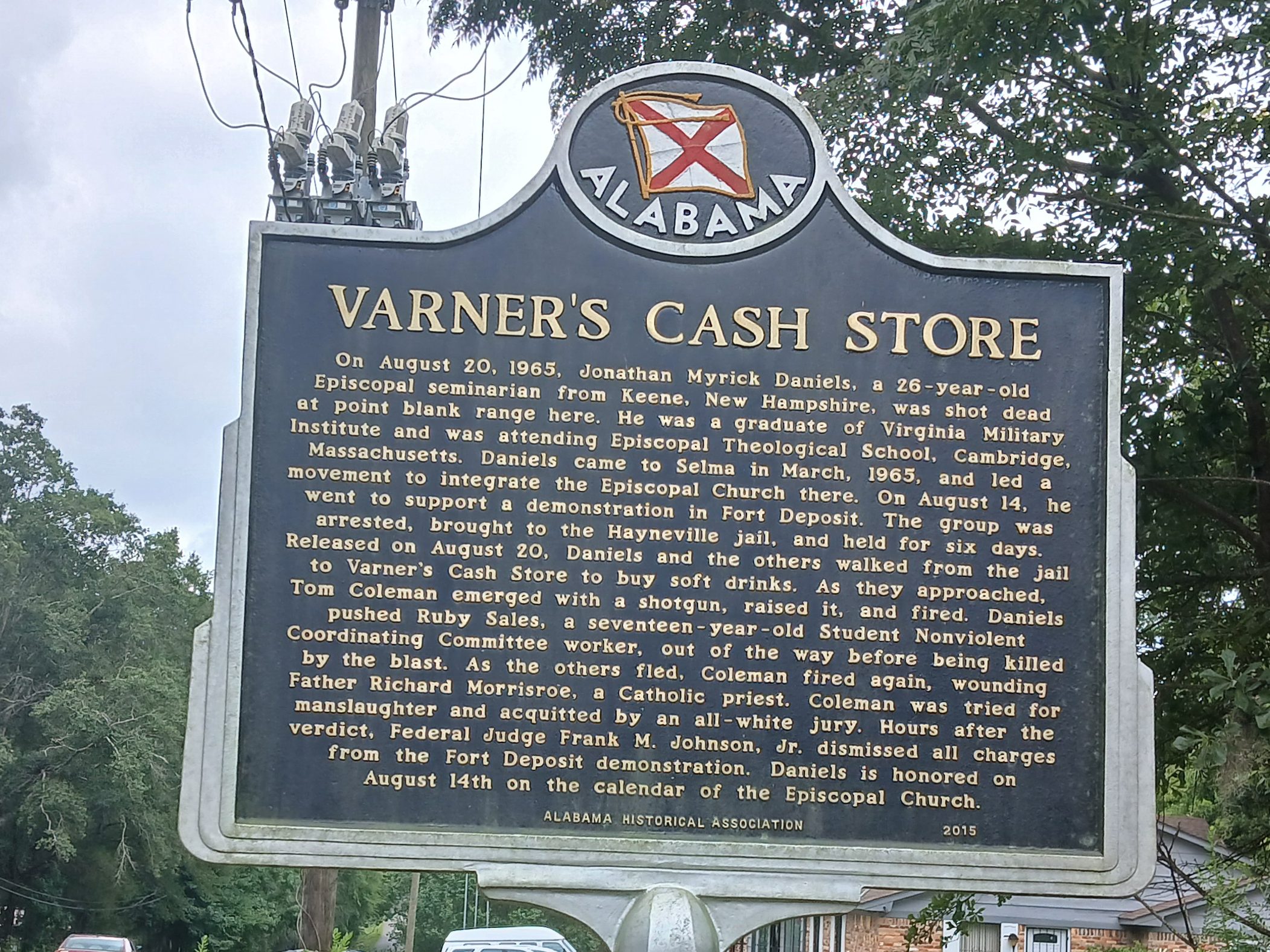
After their release from custody the group walked to Varner’s Cash Store to get soft drinks. That’s not what they got. The gunman snarled at Ruby, “Bitch, I’ll blow your brains out.” She said of the incident “the next thing I knew, I was pulled backwards and I fell, literally fell. And Jonathan – I heard a shot, and it was Jonathan. He shot Jonathan. Jonathan never made a sound.” The blast meant for Ruby struck Jonathan in the chest. The wound proved fatal but his spirit, eternal.
Father Morrisroe was shot in the back but miraculously survived. The murderer threatened to shoot anyone who attempted to help Father Morrisroe even as he cried out for help while blood seeped from his body onto the ground. Morrisroe was transported to the hospital “in a hearse on top of Jonathan’s dead body.” Hours passed as he laid in the hospital hallway. A call, believed to be from a military official, prompted aid to be rendered. His surgery lasted five hours.
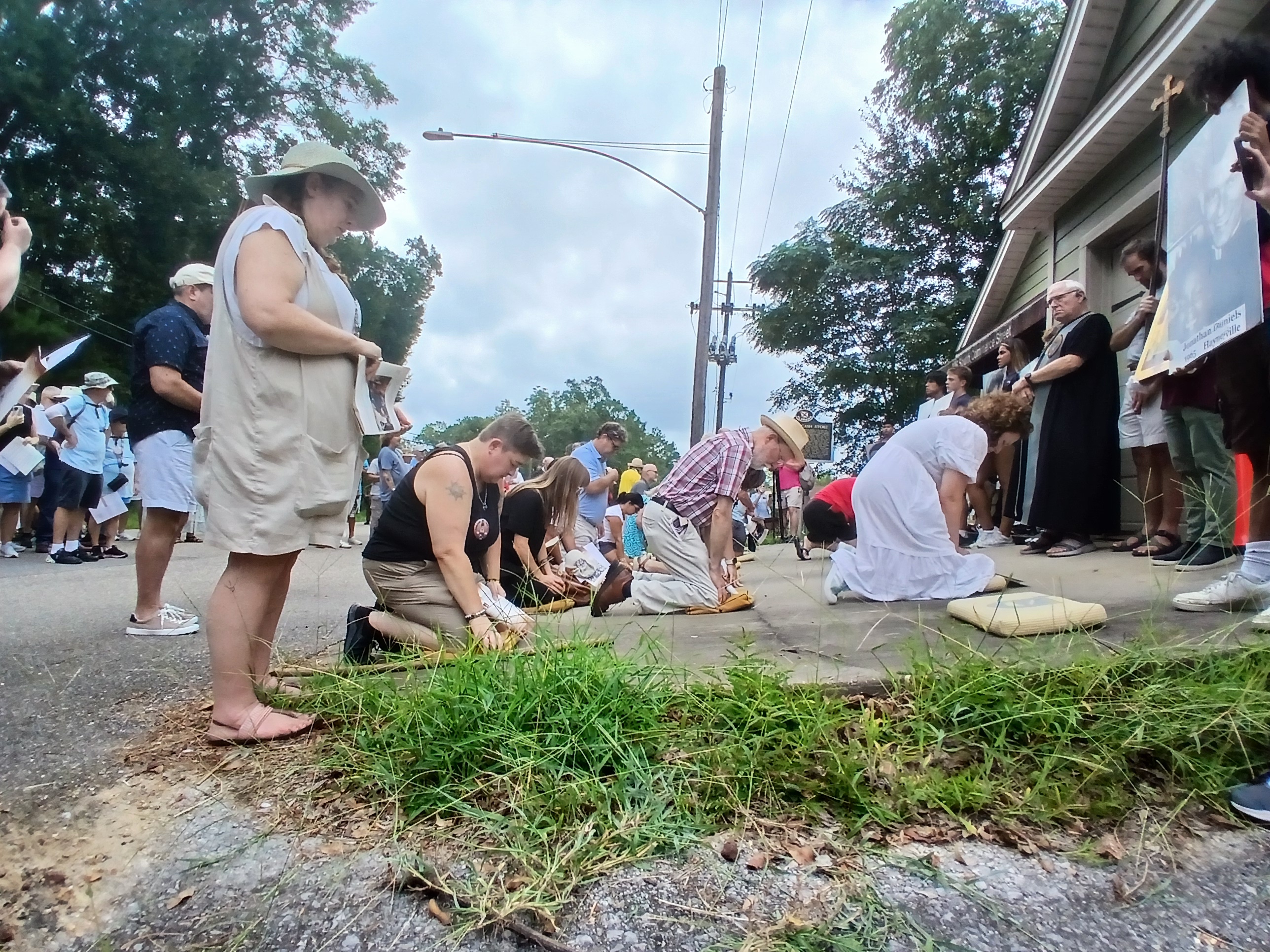
Pilgrims paid their respects at the scene of the crime.
Most people had walked the block or so back towards the courthouse waiting for the procession inside to begin. I hung back to get a picture of the Cash Store and then reunited with the group.
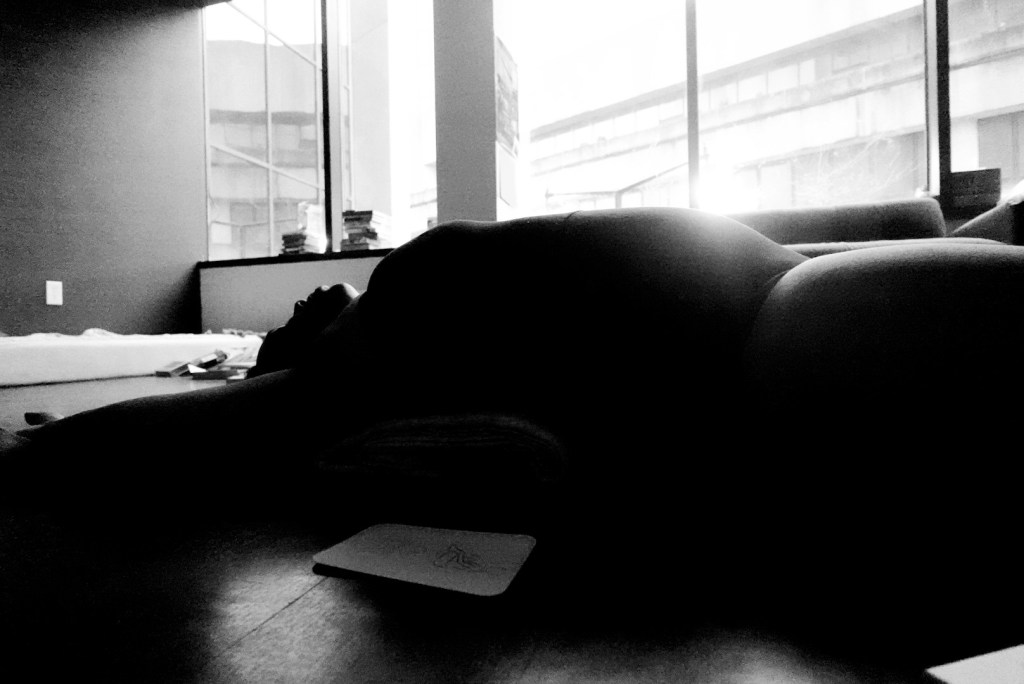
There was one pilgrim left at the site. I waited until she was done to take a picture of the store. Then I got home and looked through the pictures. There it was. The accidental image. I did make it black and white…
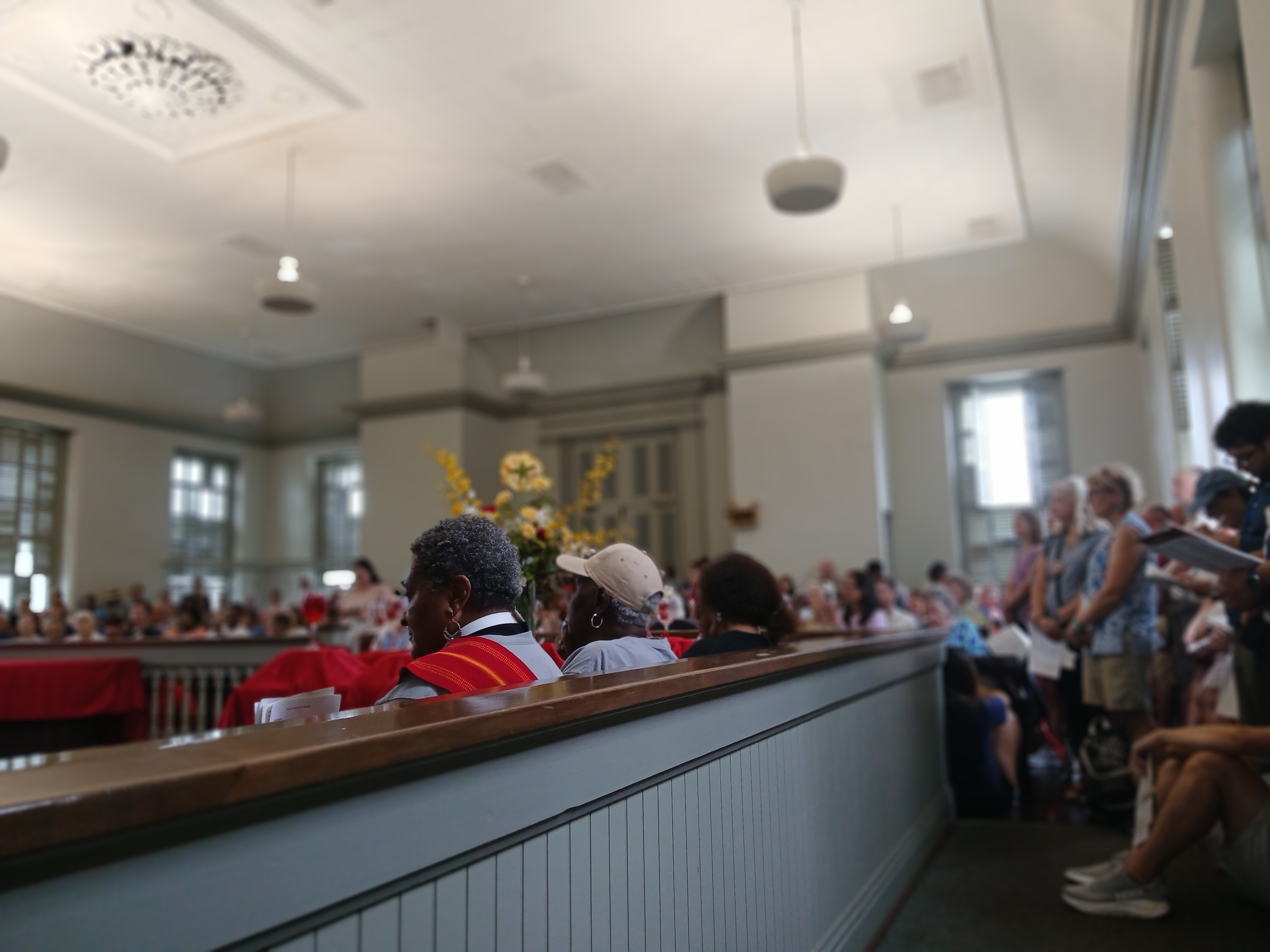
We made our way back to the courthouse and gathered inside. At this Lowndes County courthouse, the terrorized civil rights workers testified. Sales said “The hostility hung like icicles in the courtroom.” The shooter (whose name I have intentionally not called) was acquitted. The case was over but the weight of the loss was not. Ruby and Joyce were physically unharmed but emotionally traumatized and guilt ridden. Prior to the protest, Sales said there was “a great SNCC debate that went on for hours and hours” to talk about strategy and participation of Daniels and Morrisroe. Ruby initially thought it was too dangerous. Daniels and Morrisroe were committed. Stokely Carmichael did not want to stand in the way of their activism. Not only did they lose a fellow civil rights worker, they lost a friend. Carmichael took it especially hard. The “collective grief” increased the determination of the workers. They pressed forward in the absence of justice. Ruby followed in Jonathan’s footsteps and became a theologian.
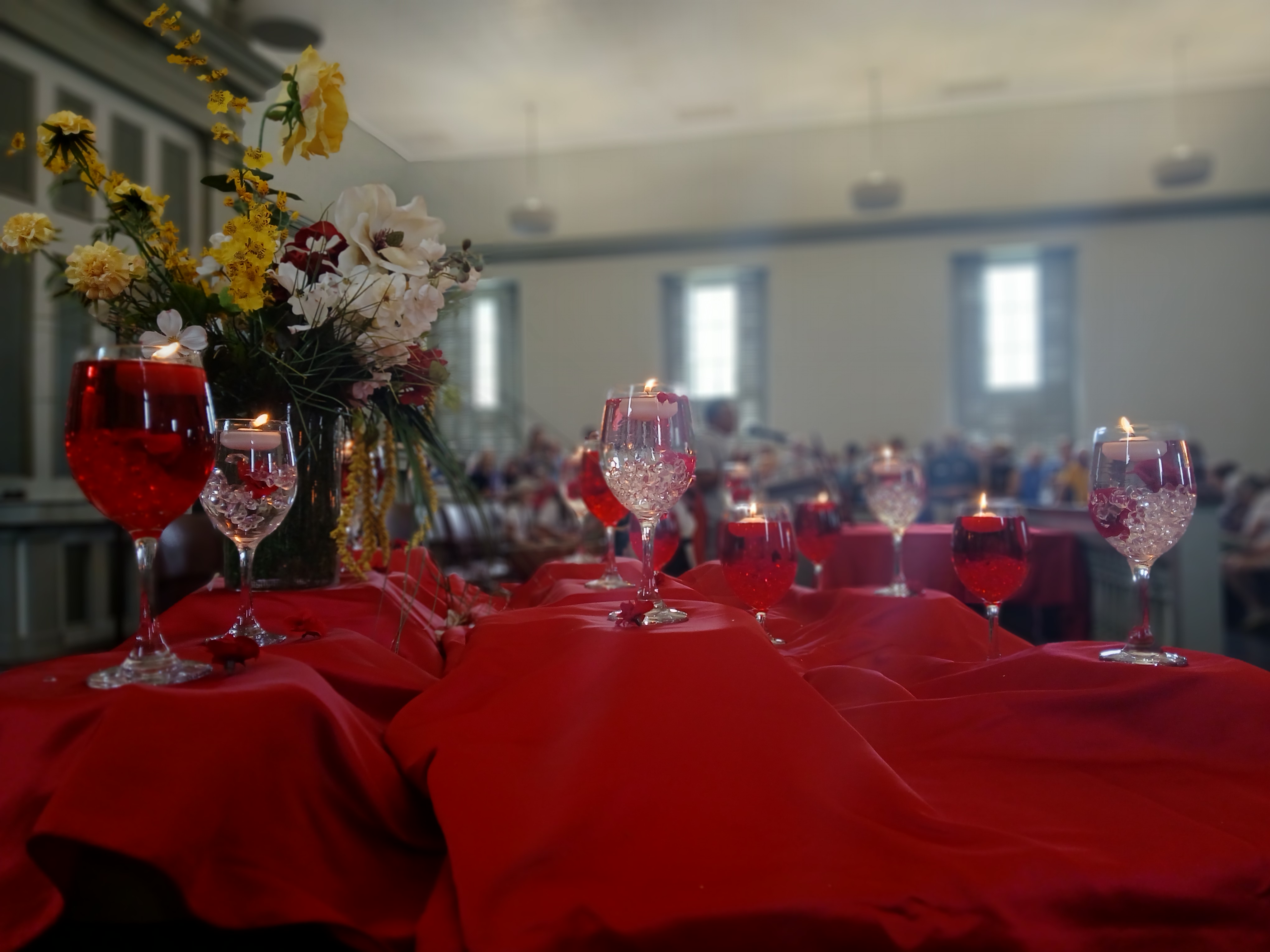
At the Antebellum courthouse where justice was denied, there was an excellent sermon about the long walk to freedom. There were prayers, communion, and community. The name of each martyr was called. A bell tolled for each lost soul. Josephine Bolling McCall lit a candle for each martyr including her father Elmore Bolling. He was murdered in Lowndes County when she was a little girl. She founded The Elmore Bolling Initiative in his honor (we will revisit this in a future post).
So yes, I thought I had prepared but I neglected to adequately emotionally prepare myself. It was an incredibly somber experience that felt hauntingly recent in time. It was heavy in a way I have not yet been able to articulate. It’s something about the depth of the injustice reaching sixty years past, existing in the present, and continuing into the future. It’s very unsettling. But also to experience in that moment, in that place, with strangers, a collective grief…it gives me hope that at some point the dust of our society will settle and maybe we too can find something we can agree on. All of us present were in agreement. A wrong had been done, Jonathan Daniels willingly laid down his life for Ruby Sales and the cause of civil rights, and we should not forget his sacrifice. In 1994, Jonathan Daniels was honored as a Martyr by the Chapel of Canterbury Cathedral in Canterbury, England.
It was a sad but sacred celebration. It took two days of bed rest to get up and moving again. Next year I’ll be better prepared. The more I study and grow, the more I believe in Dr. King’s dream. It was not some pie in the sky dream that he concocted out of nowhere. Yes he was a civil rights activist but had access to information and divine understanding that most of us do not. Yoga Sutras say there is only manifest and unmanifest. We cannot bring into manifestation what we cannot imagine. Dr. King saw the vision and shared it with the world. It’s up to us to create the conditions so the dream can come into being.
A few years back I read bell hook’s All About Love. Reading it made me realize how little I, like most people, actually knew about love. The way my being is set up, I fully immerse myself in whatever I’m doing. Love occupied my mind. It was front of mind and front of heart. On my mat I sat breathing in and out. After a while my mantra, “I am love” permeated my cells and then my consciousness. I was transformed. Love Jones. My affair with love showed how much people are love adverse intentionally and unintentionally. It also illuminated a love story that had laid dormant in my mind for a decade. It had been there all along.
I revisited All About Love to ensure my internal compass was still pointed north towards love in this sea of hate. Bell hooks defined love as a combination of trust, commitment, care, respect, knowledge, and responsibility. It clicked. Peter Still, the freedom seeking brother of William Still, was the embodiment of love. He had been all along.
Peter Still and his brother Levin, were children when they were kidnapped from New Jersey and sold into slavery in Kentucky and then Alabama. For forty years Peter toiled before he was able to restore his stolen freedom. Levin unfortunately never knew freedom again.
Peter was chattel per the dictates of American slavery. The human who was not a human, the man who was not a man, the husband who was not a husband, and the father who was not a father, was the pinnacle of everything society said he was not. He possessed high moral character and integrity. He abstained from alcohol, tobacco, and profanity. Peter’s “soul was intent upon a great purpose. He could not be withheld; he could not be turned aside. His perseverance, his patience, his exactness, his tact, everywhere attracted attention and commanded respect.”
The way I meditated on love, Peter mediated on Vina. She, Lavinia, was a young girl. Only 15 and alone having recently sold away from her family. She was consumed with grief of being separated from her dear mother. Peter was all she had. Vina’s enslaver had no intention of providing for her. She was “destitute.” She lacked adequate food, shelter, and clothing. After a while , enslaved preacher and neighbor Old Cato Hodge performed their “marriage” rites. The bride was beautiful in her “grotesque” hand-me down dress.
Peter did everything in his power to mitigate his wife’s poverty. He gave her his coat. After she patched it the coat was two toned. Half of Peter’s original black fabric and half white fabric belonging to Vina. Half of Peter and half Vina. Like the marriage, the two joined and become one. Peter learned to make shoes for them. Others he made and sold. He parted with his own possessions to buy “decent clothes” for his wife.
Peter walked fourteen miles roundtrip to see Vina on days off. He built her a cabin. He chopped and hauled wood to build her cabin. If he needed help, he hired it. From sunup to beyond sundown he worked. The moon rose high shining its light on Peter. When the cabin was done he furnished it. Peter bestowed upon Vina as much comfort and luxury as slavery would allow.
A flour barrel brought conflict with his enslaver Mr. Gist who “took the liberty to appropriate it to his own use.” Peter did not back down telling Gist it was his, he bought it, and he was taking it to his wife. Having been well versed in the slavery system he knew that act of impudence would cost him. Twenty five strips across his bare back was the price he paid. For Vina, there was no price that he would not pay.
As their love grew, so did their family. Vina’s enslaver McKiernan was a known “tyrant.” Many children and babies died including the Still’s. Even though he lived apart from his family, Peter was an involved and protective husband and father. For one year, the family lived together while Peter was hired out to McKiernan.
Peter worked a variety of jobs throughout town making and saving money. He previously contemplated escape during a Nashville trip but the opportune time never presented. When hired by Jewish brothers Peter and Issac Friedman, Peter expressed his desire to be free. Because they “regarded him as a man,” he trusted them. Peter concocted a plan. They followed his lead. Through the brothers he brokered his own sale, they were “not used to dealing in slaves.” Through the arrangement Peter eventually purchased himself.
Peter was a self possessed man with a “new dignity even in the eyes of his children.” His bill of sale belonged to him. The good news was kept secret. As he “relocated” with the Friedman’s, townspeople lamented the misfortune they believed had befallen their favorite bondsman. The poor unfortunate soul was in the hands of unscrupulous Jews who would “sell their own children.” Invoking the contented slave trope he’d only reply, “Mass’r Joe and Mass’r Issac always have been good to me.” And “anyhow, I belong to them, and they can do what they like.” Negative stereotypes about blacks and Jews ironically, helped.
Peter bid his family adieu and embarked on his journey as a free person. He promised that he would return. The family trusted his word implicitly. Peter could have moved on with his new life and never looked back. But his love as defined by hooks; commitment, respect, care, trust, and sense of responsibility compelled him to stop at nothing to liberate his family. After capture, his family’s stint in jail, the death an agent of liberation, a speaking tour, three years and $5000 later, Peter’s family was freed.
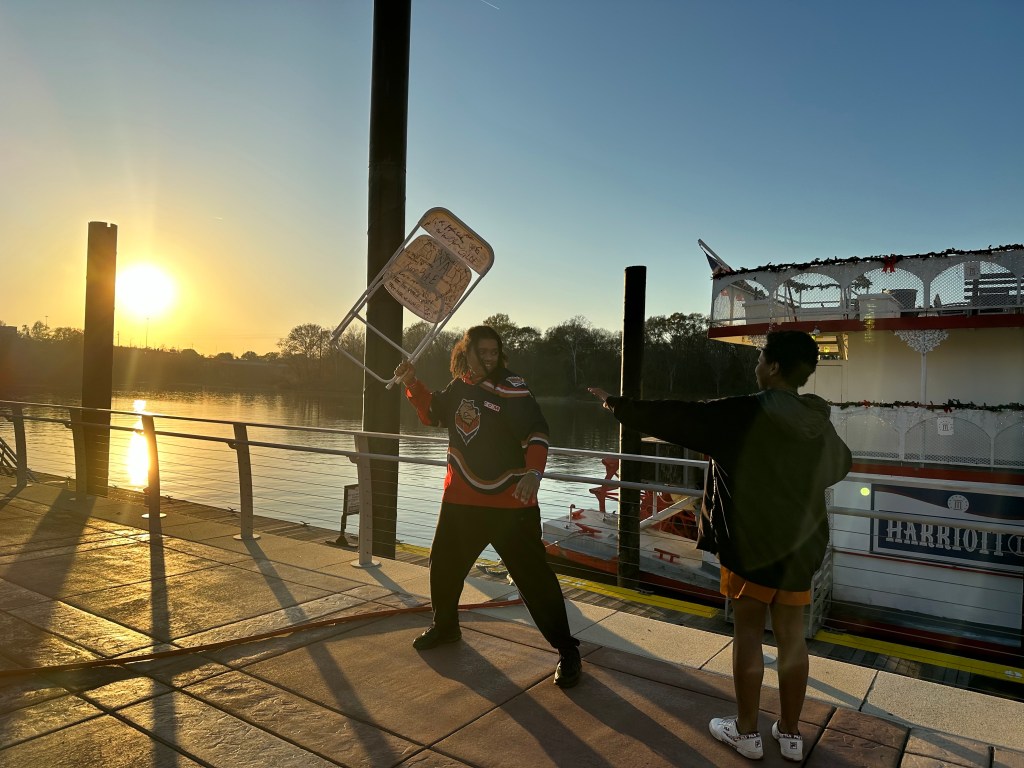
This week marked the second anniversary of the infamous Montgomery Riverfront Brawl, also known as “Fade in the Water” and the “Alabama Sweet Tea Party.” To refresh your memory, the brawl broke out after Damien Pickett, a black security guard, asked white boaters to move their boat. It was parked in the designated space for the city’s Harriott II riverboat which offers cruises on the Alabama River. Passengers onboard the Harriot II were not able to disembark because the personal watercraft was in its space. To make a long story short, the white boaters attacked a black employee and “all hell broke loose.”
Having lived most of my life in Alabama, a place where the Confederacy is still held dear, I am all too familiar with the myriad ways the ghost of Jim Crow rears its ugly head. I’ve been ignored, given dirty looks, nearly forced off sidewalks and straight called a “nigger” by a good ole genteel southern boy. Chilvarious right? Why would someone call me that you ask? Because I had the audacity to walk in the predominately white neighborhood in which I lived.
That moment was one of two in my lifetime where I can remember the collective jubilation of black folks. The other instance was the election of the first black president of the United States, Barack Obama back in 2008. Given Alabama’s extensive and well documented history of mistreating minorities, there was a sense of justice which typically lacks. Historically, violence against black bodies has not only been acceptable, but celebrated. From beating and killing the enslaved, the sexual violation of enslaved women AND men, and lynching, violence against black bodies has been deemed justifiable. Too many times police officers go unpunished for killing black people. White men who take the law into their own hands acting as neo “pattyrollers” go free after extinguishing black lives. Ahmad Abrey and Trayvon Martin succumbed to white supremacist violence perpetrated by individuals and sanctioned by the state. No justice comes from the criminal justice system.
So who expected justice to be meted out in the form of a folding chair? I certainly did not. That man, in that moment, with righteous indignation and the strength of the ancestors, singlehandly brought white supremacy and entitlement, a centuries old problem, to its knees. In the grand scheme of things, will it change the world? No, but it gave us hope that maybe, someday, the underdog will come out victorious. It gave us hope for change like Obama did. It gave us a reminder of the strength in the collective. It gave us a reminder that the black freedom struggle is ongoing. It gave us black aquaman, gut busting laughter, infinite memes, and a new place of pilgrimage and iconography.
On that day, the day of our lord August 5th, 2023, we did overcome.
Please consider this your reminder to continue to fight injustice wherever it may lie with whatever tools are at your disposal. And then be sure to reward yourself with an iced cold glass of Alabama sweet tea.
I’ve learned many lessons studying history. The two most valuable ones, I apply to my day to day life. The first lesson was the concept of change over time. How does a thing change over a period of time? Secondly, progress is not permanent nor is it linear. Having that frame of reference is helping me to remain optimistic in these turbulent times. We are in a period of regression, but progress will inevitably and eventually follow. The uncertainty that once induced anxiety now brings me comfort. I know now that change, for better or worse, is the only constant. For things to get better, that too will require change.
Someone, somewhere in the world, at every moment in time has experienced suffering. It is inevitable. But what do we do with that suffering? We harness it and create movements that effect change. We transform it into joy. We express it through a multitude of artistic mediums. From cave art to museums of fine art, we have always connected to the creator in us through creating. That is art.
So I have decided to create. Whatever. To create from my heart. However. To connect to my soul. Whenever. To create like no one is watching even in the presence of an audience. Yes, we must resist. But we must also amplify what makes us human, connects us to each other and the cosmos. Martin Luther King Jr. a man whose wisdom and spirit lies in a realm beyond our comprehension once said that “darkness cannot drive out darkness; only light can do that. Hate cannot drive out hate, only love can do that.”
The first project of my embodied creativity is a blue bottle tree. Blue bottles and trees are found all throughout the American South. The concept was transported by way of the Middle Passage. The blue bottles when placed upside down would trap evil spirits, it was believed. If my tree happens to trap some nefarious spirits, I’ll take it. But ultimately it serves as a reminder for me to do what I can to mitigate the negative, accentuate the positive and stay grounded. Creating feeds my internal fire. Perhaps it will burn hot enough and bright enough to be a beacon.
A year ago I adopted a dog from the Elmore County Animal Shelter. I had been perusing shelter websites, but wasn’t sure if I was ready to commit. Milo’s profile caught my attention. I thought, I’ll reach out and just see what happens. The next day I went to meet Milo. Again, just to see. As soon as I entered the enclosure, a giant scraggly ball of energy appeared out of thin air. He rushed me, nearly knocked me down. His big muddy paw print, quite literally, stamped my heart. I was committed. I thought I was rescuing him, but as it turned out, he rescued me. In honor of our first “Gotcha Day,” I’d like to share the story of Prince. Prince was a devoted Saint Bernard who ushered his fifteen year old freedom seeking companion from slavery to freedom on the Underground Railroad.
Prince was a baby, a “great, clumsy looking puppy” when he first met Oneda. She herself was a young girl, just twelve years old. Prince and Oneda lived on a plantation adjacent to the Mobile River. Upon meeting Prince, young Oneda concocted a plan. “ Now, I’ll pet this dog and make him love me, and some day, we will escape together,” she told herself. Over the next three years, Oneda, unbeknownst to her enslavers, cultivated a strong bond with the puppy. She played with him, fed him, and laid with him. She encouraged other children on the plantation to tease Prince. She’d come to his “rescue,” winning favor in the dog’s eyes. Oneda taught herself how to read, discussed free states with the plantation mistresses, and learned geography by studying a map hanging on the wall. At fifteen years old, she decided it was time.
When Oneda struck out, Prince tried to nudge her back in the direction of the plantation. Seeing that she refused to turn back, he followed her. Oneda and “her faithful escort” traveled from South Alabama, through Tennessee, Kentucky, and ultimately across the Ohio River. While starving in Kentucky, they stopped at a house in search of food. A white woman offered to help, but then locked Oneda in a room and attempted to tie her up. The door slammed in Prince’s face. He sprung into action. Hearing the commotion and the screams of Oneda, he tried to get in. Realizing that clawing at the door would not open it, Prince found another way. The fiercely loyal St. Bernard “came crashing through a window, breaking glass and a sash, and seized the woman by the throat.” Oneda commanded Price, “easy.” The woman was spared and the pair continued on, but were not out of danger.
The woman who they left tied in the room sent a slave catcher after Oneda. Her white brother placed an advertisement in the papers offering a $450 reward for her capture, and the “very large black dog.” When accosted by the slave catcher and his dog, Oneda warned Prince would kill him and his dog. A standoff ensued. Accepting that she was no match for the slave catcher’s gun, she negotiated the terms of her arrest. She would go on the condition that Prince was allowed to stay with her. The slave catcher agreed. Prince and Oneda were jailed together. Before the letter advising that Oneda and Prince were captured could be mailed, they escaped again. The duo eventually made it to Canada. After their Underground Railroad journey, Oneda returned to the United States and attended college in Ohio. Prince, the fiercely loyal companion, stayed in Canada where he was “domesticated” into a loving family.
I had been wrestling with the topic of my first blog post. What should it be about? Should it be about me? Which of the many pressing issues should I tackle first? Should it be lighthearted? Serious? Would anyone even read it?
The Call.
A woman who lived in Washington D.C. called about a historic black cemetery in North Carolina. I could not, for the life of me, figure out how she got to me or why. I am in Alabama. Then it dawned on me. She was desperate. She just started calling anyone who would listen and could potentially offer a suggestion. So I decided to make the post about her and the needs of independent preservationists and historians.
I listened.
She told me who she was and how she became affiliated with the cemetery. She started a nonprofit twenty years ago to care for it and the enslaved people buried there. Years ago, she helped to have them identified. She said she is getting older. Her friends, and partners in preservation, are passing on.
What I heard was, we need to step up.
History and historic preservation doesn’t just happen at the institutional level. There are many everyday people who see a need and step up to fill it. We should support them. We cannot take for granted that these spaces will exist in perpetuity. Who will care for them if not us? Many stewards of our history are older, less tech savvy, and really out there doing the work alone. They navigate their own personal issues and health challenges as they do so. Money is always needed. Regular people who are not well off are paying out of their own pockets to preserve our history. It costs money to keep the gravestones clear and the grass cut.
What can you do?
Anything, really. Volunteer time. Sit on a board. Donate skills. Tap into your network. Write a grant. Help identify funding sources. Build a website. Launch a Go Fund Me. Use your social media platform to raise awareness for their cause. Find a local historic site near you and ask what they need. If you feel compelled to help preserve history, there is ample opportunity to be engaged as little or as much that makes sense for you. It doesn’t have to be a grand gesture to be an impactful gift. Please remember grants have been cut. Individuals and small organizations are struggling too.
A link is below just FYI. It is older, but that just goes to show how long this gracious woman has been doing this work. If you feel compelled and able, please support her or any other small historic site or organization. It is more urgent now than perhaps ever.






 preserve black alabama