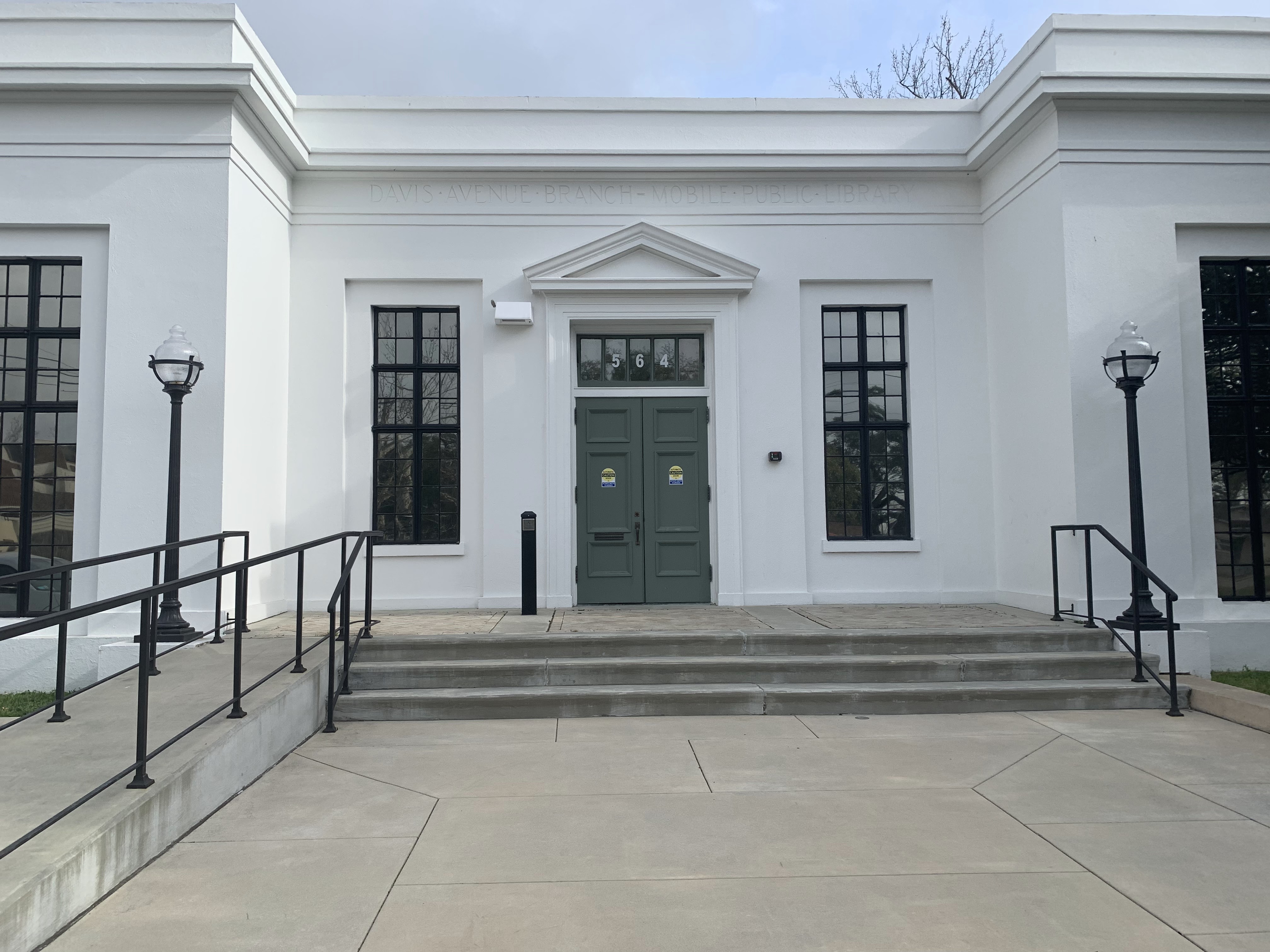
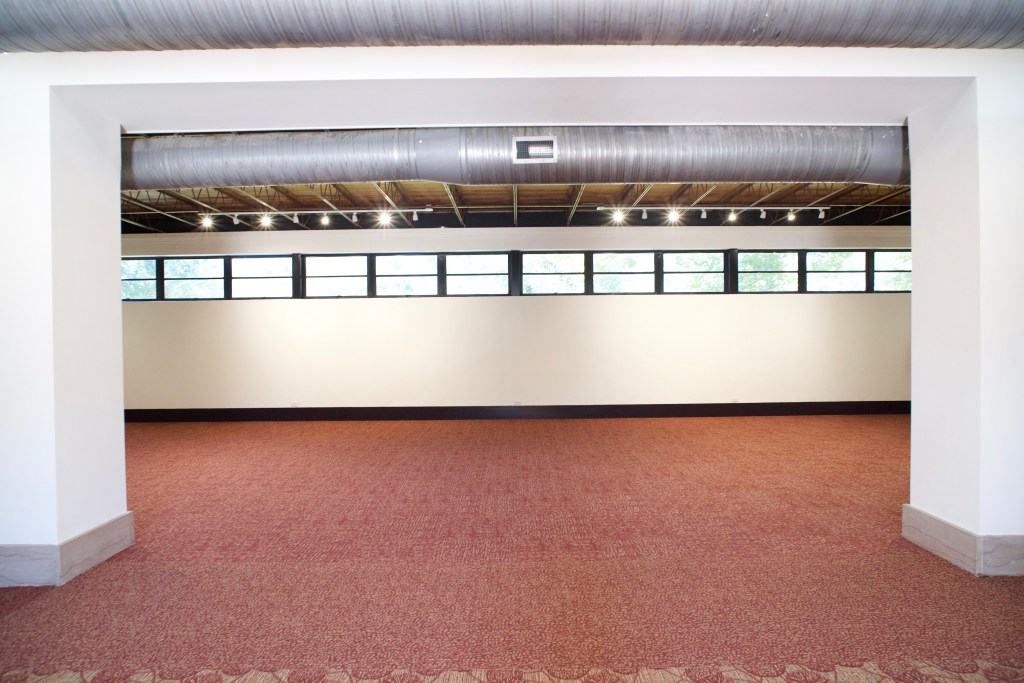
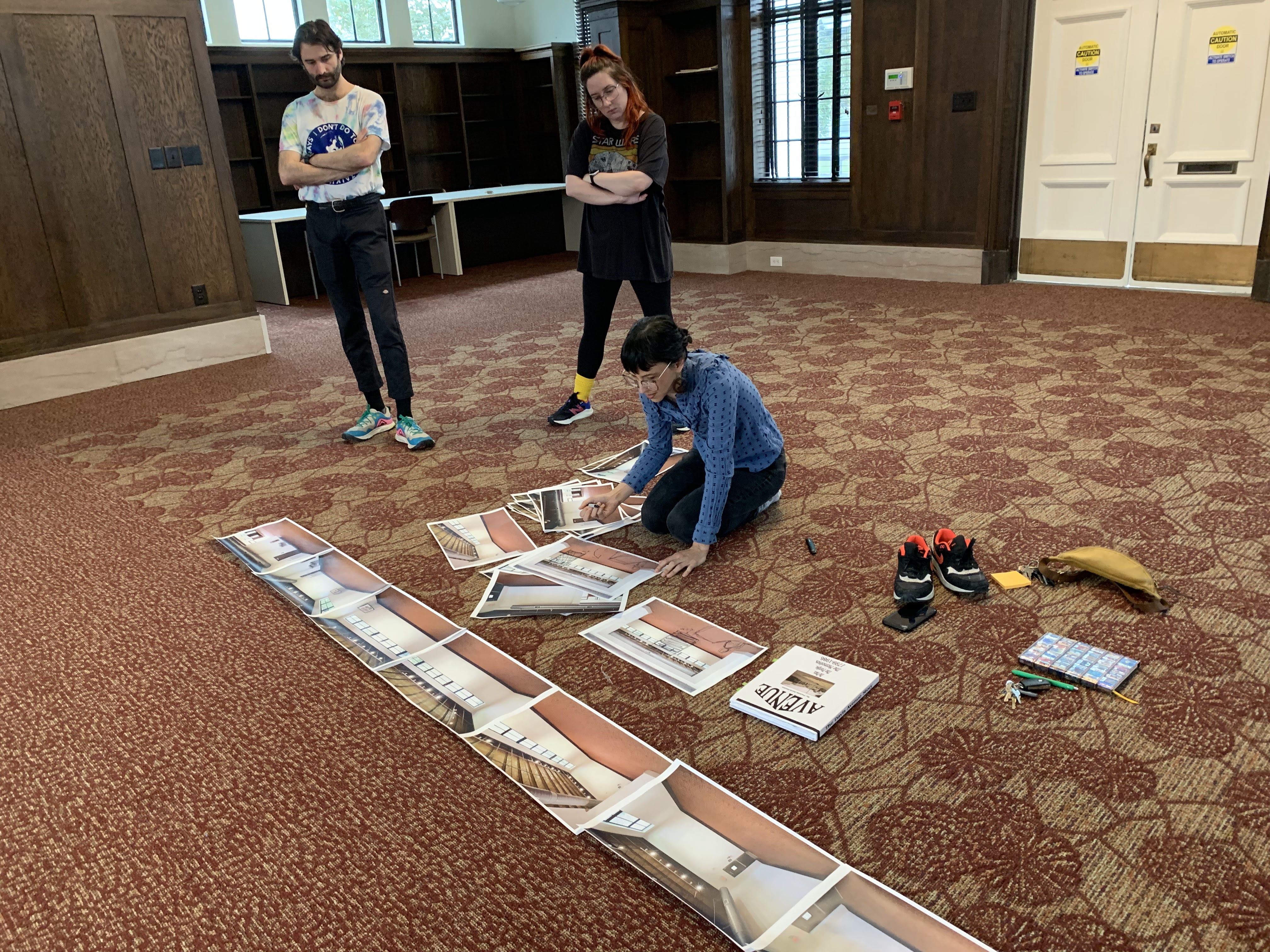
Recently one of my mentors said to me, “you’re living the dream.” He was right. I am doing the meaningful work that I set out to do. It was a long road but I’m here. Could things be better? Always. But my life is what I envisioned it would be. Two years ago I was fortunate to participate in the Alabama Contemporary Arts Center guest curator program. It was my first time curating an exhibit and I hope it won’t be the last. The exhibit is housed in what is now the Historic Avenue Cultural Center in Mobile, Alabama. The building was the “old colored library,” during segregation. It was the only library available to the Black population. The building also housed the African American Archives and Museum founded in 1992 by Delores Dees. I volunteered at the Archives with Ms. Dees. She passed away in 2022 but her example and her legacy lives on. Ms. Dees was a fierce champion for the building itself and the history it contained. I think she would be proud of what the building has become.
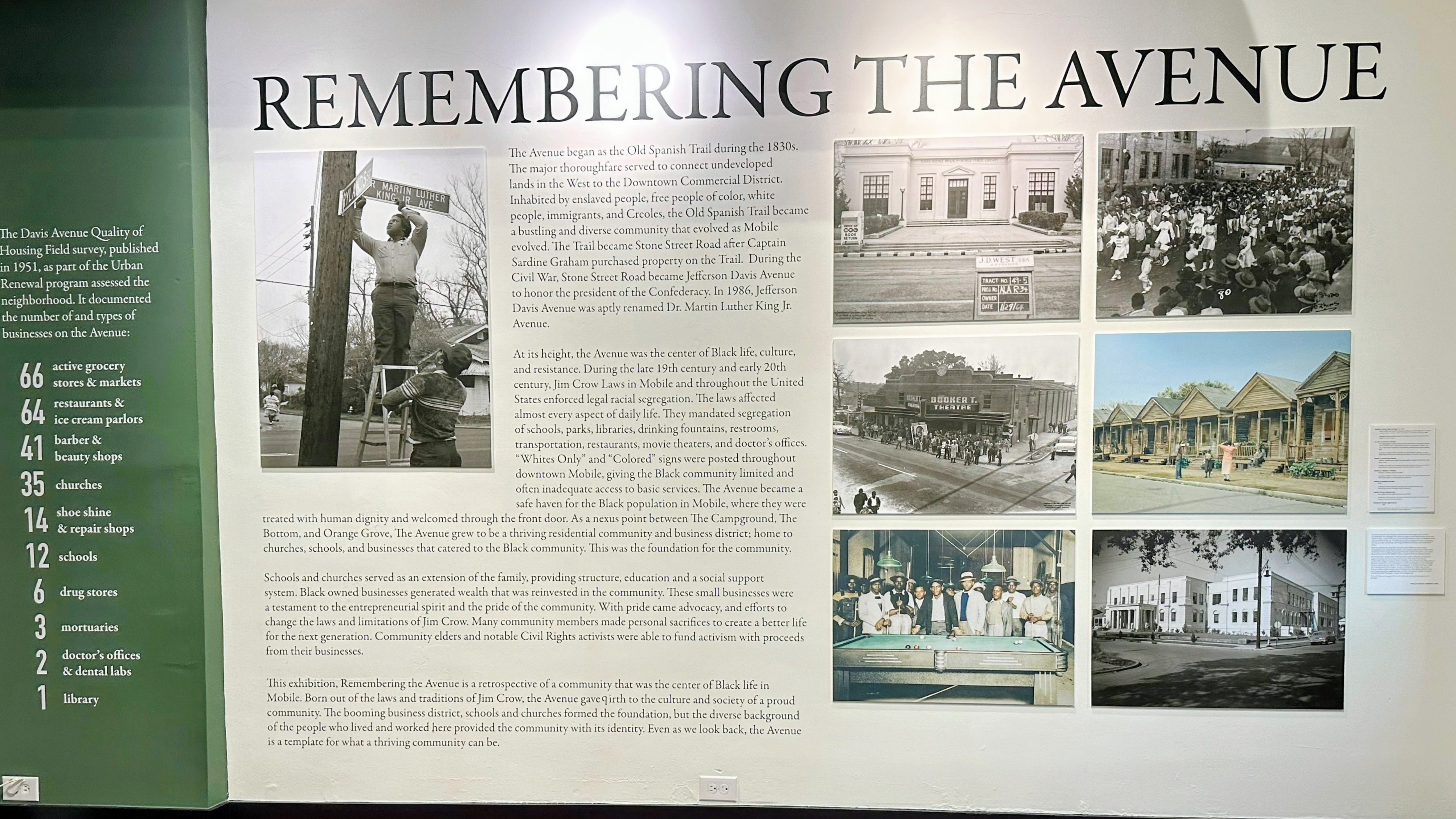
Curating this exhibit was absolutely one of the highlights of my life. Not only did I get to put my professional expertise to use, but I am also intimately attached to the subject, Mobile’s Historic “Avenue.” “The Avenue” was the premier destination for Black Mobilians under Jim Crow segregation. I grew up in this community and so did my family. Being embedded in the community gave me insight and the authority to speak from personal experience, not just what I read in a book. The Avenue Book, written by Paulette Horton, is still one of the few books written about Black Mobile History. It served as my guide. I distinctly remember being in Middle School when The Avenue came out. It was like the Bible, respected and highly cherished. My mom raved for years after she loaned someone her copy and they failed to return it. Below is the speech I gave at the opening along with some images. This work is hard. It doesn’t pay well and sometimes I find myself wondering “what’s the point?” But the faces of the guests was the reward. There were many hugs and tears of joy. I have to remind myself when it gets hard, remembrance and reverence is the point. That’s it.
Good Evening,
I am Jada Jones, guest curator of the Remembering the Avenue exhibit.
Tonight, I would just like to share with you how I decided on the themes Pride, Protest, and Possibility, and what they represent to me.
So, a little about myself. I am from Mobile. In my youth, my family and I lived in Maysville and DTB (Down the Bay), but primarily my formative years, middle school and high school were spent in the Campground. My grandparents and great- grandparents lived in the Campground, Orange Grove, and the bottom. My grandfather shined shoes at White’s Barber. My mother’s early years were in Orange Grove.
I attended Calloway- Smith Middle school. When it was first opened, it was located in the A.F. Owens building in the back of Orange Grove. We walked across the Ave and through Orange Grove to get to school. Once the new building was completed, my commute took me across the campus of Bishop State, past Johnson- Allen funeral home, past this building, and Stone Street.
We had friends in the bottom and Orange Grove. We walked up and down the Ave, spending summers swimming at JRT. We hung out with friends and family at our spot, “the wall,” on Adams street. We got our eyebrows arched at barbershops on the Avenue.
When our tennis shoes began to show signs of wear, we took them to “Black Power,” to have them restored. I still don’t know what was done to the shoes, but they were like brand new again. As a child, we did not understand why this store was referred to as “Black Power” and never questioned it.
We also participated in the annual MLK day march and the Central Weekend festivities. Again, at the time, I didn’t fully understand the context, but I understood the feeling.
I felt a sense of strength, solidarity, and love. I felt that I was part of something special, something greater than myself, something that was beyond my level of comprehension.
I say all of that to say, Having walked the streets and interacting with the people of The Avenue, The Campground, The Bottom, and Orange Grove, I felt the spirit of this place. That spirit is what I hoped to convey.
When thinking of the story that I wanted to tell about the Avenue, I first reflected on my own experience in the area. I asked myself, how was my life and personality shaped by the places and people here. Then I reflected on my relatives experiences, and asked how were their lives informed by the Avenue, what lessons did they learn, and what did they impart in me.
And finally, I thought about the Avenue itself and its history. In taking this layered approach, I was able to identify commonalities between the three.
Those commonalities became the themes; pride, protest, and possibilities.
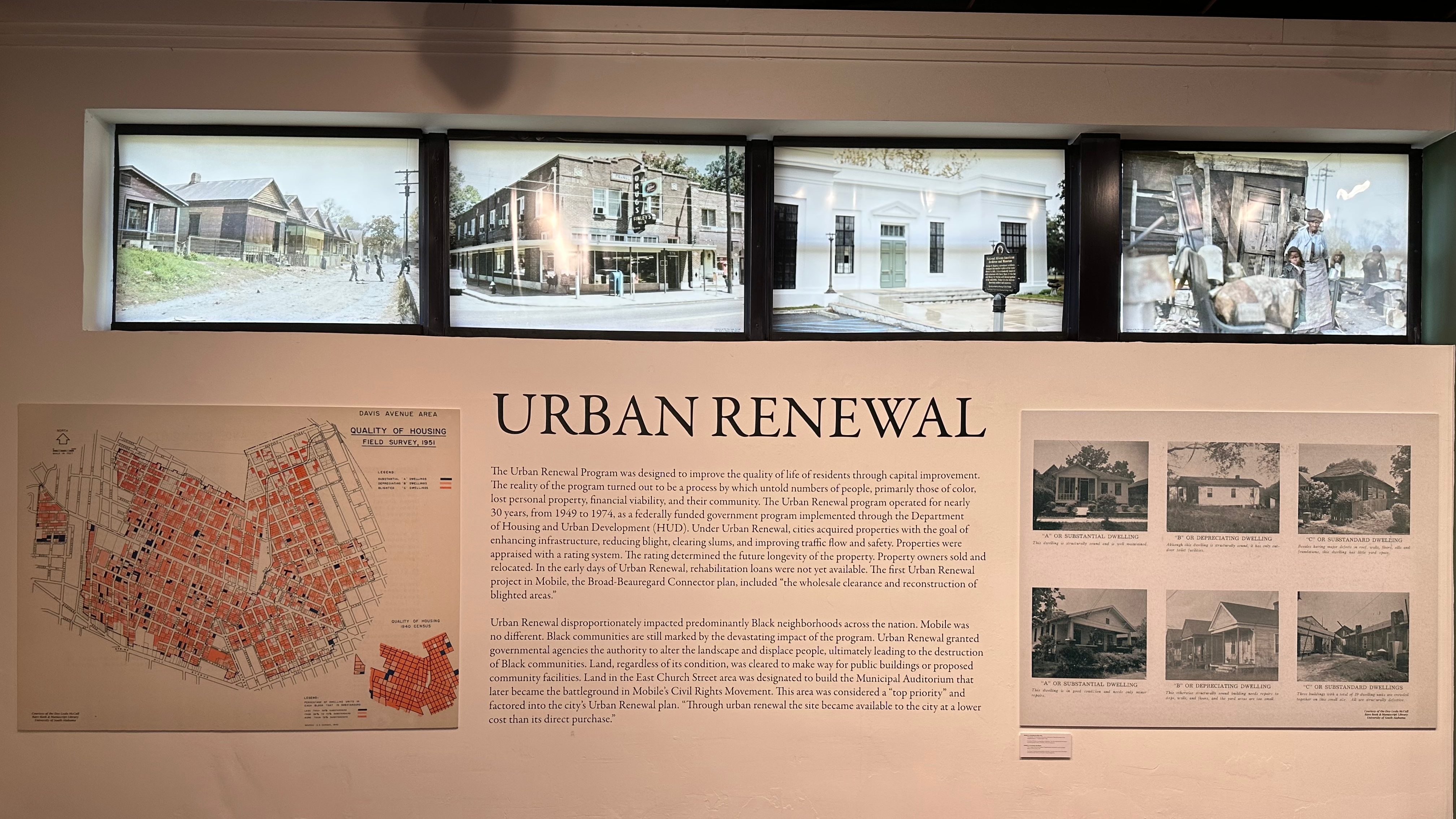
Urban Renewal
Although Urban Renewal is not a theme, one can not tell the history of the Ave without telling the story of Urban Renewal. It is imperative that we reckon with this legacy. The Avenue was home to some of the most successful black business and people in Mobile. But, it was also home to some of the poorest.
In researching for this project, I came across an account of a woman who lived on the Hickory Street Dumped. She was educated and well-spoken. She took pride in her appearance and her home. She dressed nicely and adorned herself with jewelry. She chose to live on the landfill, she felt safe and free there.
In order to fully appreciate the Avenue, and what it can be, we need to understand what was lost through Urban Renewal. A sense of home and community was lost. Tangible reminders of the significant places were lost. And, a sense of autonomy was lost. Yes, there was blight, but there was also beauty. Yes, there was poverty, but there was also perseverance. The Avenue experienced great, intentional harm under urban renewal, but it survived and will continue to do so.
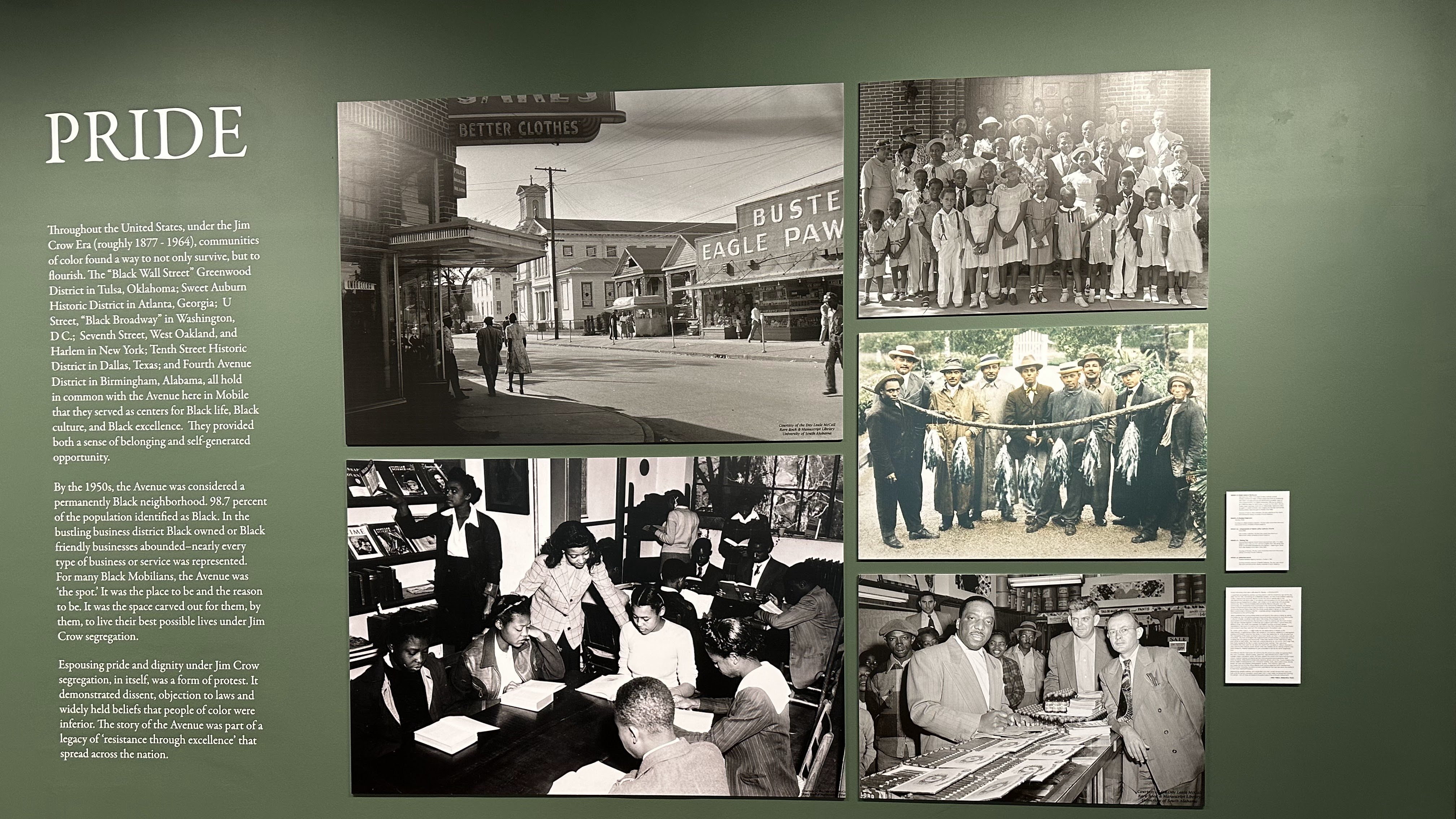
Pride
In terms of pride, I thought about the multiplicity of ways pride manifested itself. There was individual pride. There was community pride, and there was racial pride. These three notions of pride are evident in the institutions; the families, schools, churches and businesses, the community was built upon.
These institutions created the social fabric of the community. The message I received growing up that I was just as good, if not better than anyone else, despite my race. I was capable of doing whatever I wanted if I put my mind to it. And finally, being Black was something to be proud of. Those were the lessons of the Avenue.
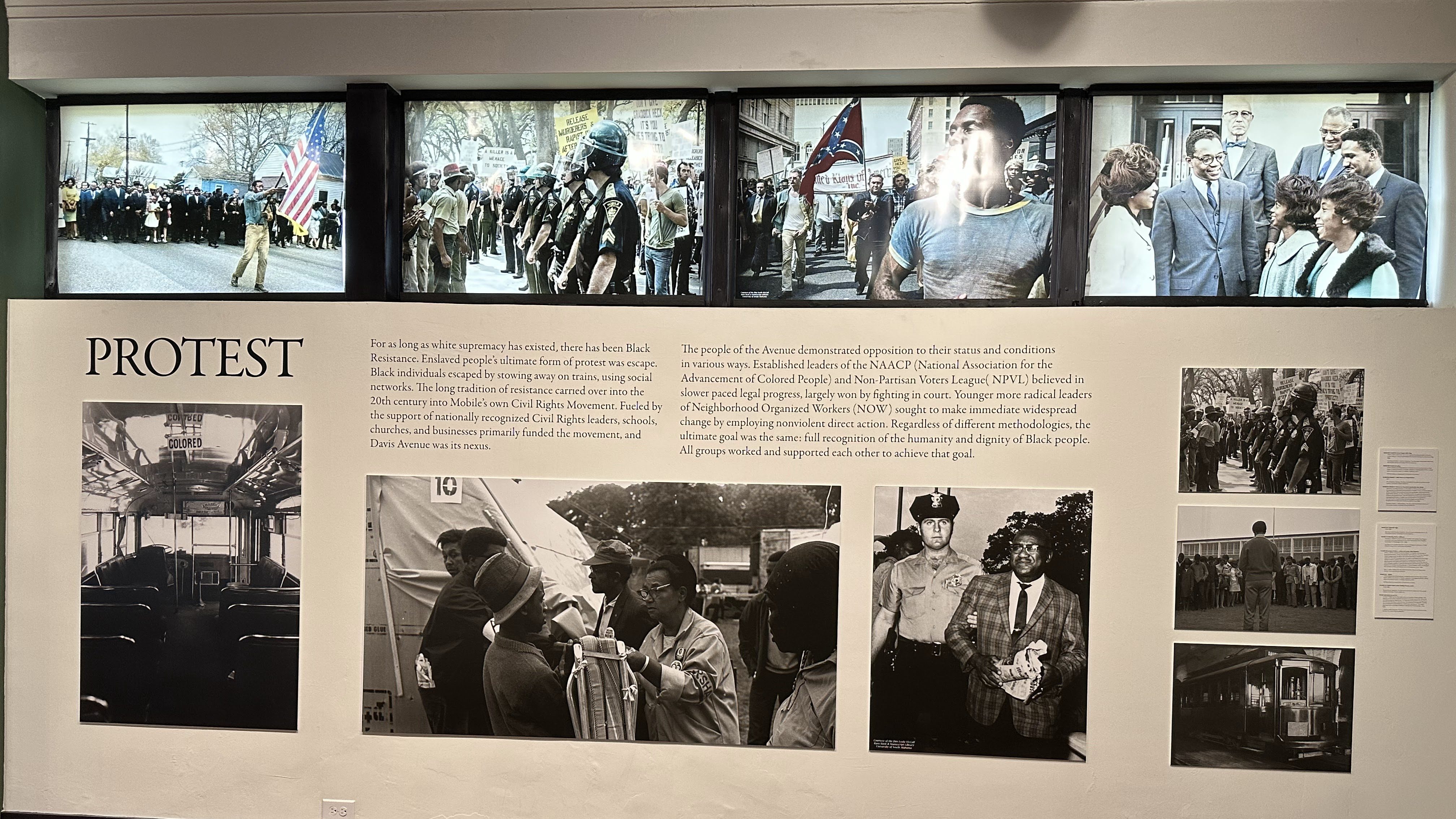
Protest
The Civil Rights Movement in Mobile was largely organized and operated from the Avenue, and it efforts reached the entire city and beyond. Mobile was supported by nationally known civil rights activists and organizations. Ella Baker, friend and colleague of John L. Leflore helped to establish the Mobile Branch of the NAACP. Neighborhood OrganizedWorkers (NOW) was a member of the Southern Christian Leadership Conference. Activists came from outside the area in support of the movement. Dr. MLK Jr, Julian Bond, Fred Shuttlesworth, Jack Greenberg, Joseph F. Lowery, Stokely Carmichael, Dick Gregory, and Freedom Riders, had all been affiliated with the movement and the Avenue.
Additionally, Corretta Scott King sang at the ILA Hall. Aside from the organized protests, their was protest of the individual and the spirit. You have a right to life, you have a voice to use, and that regardless of the circumstances, your spirit can remain unbroken. Those were the lessons I learned from the Avenue.
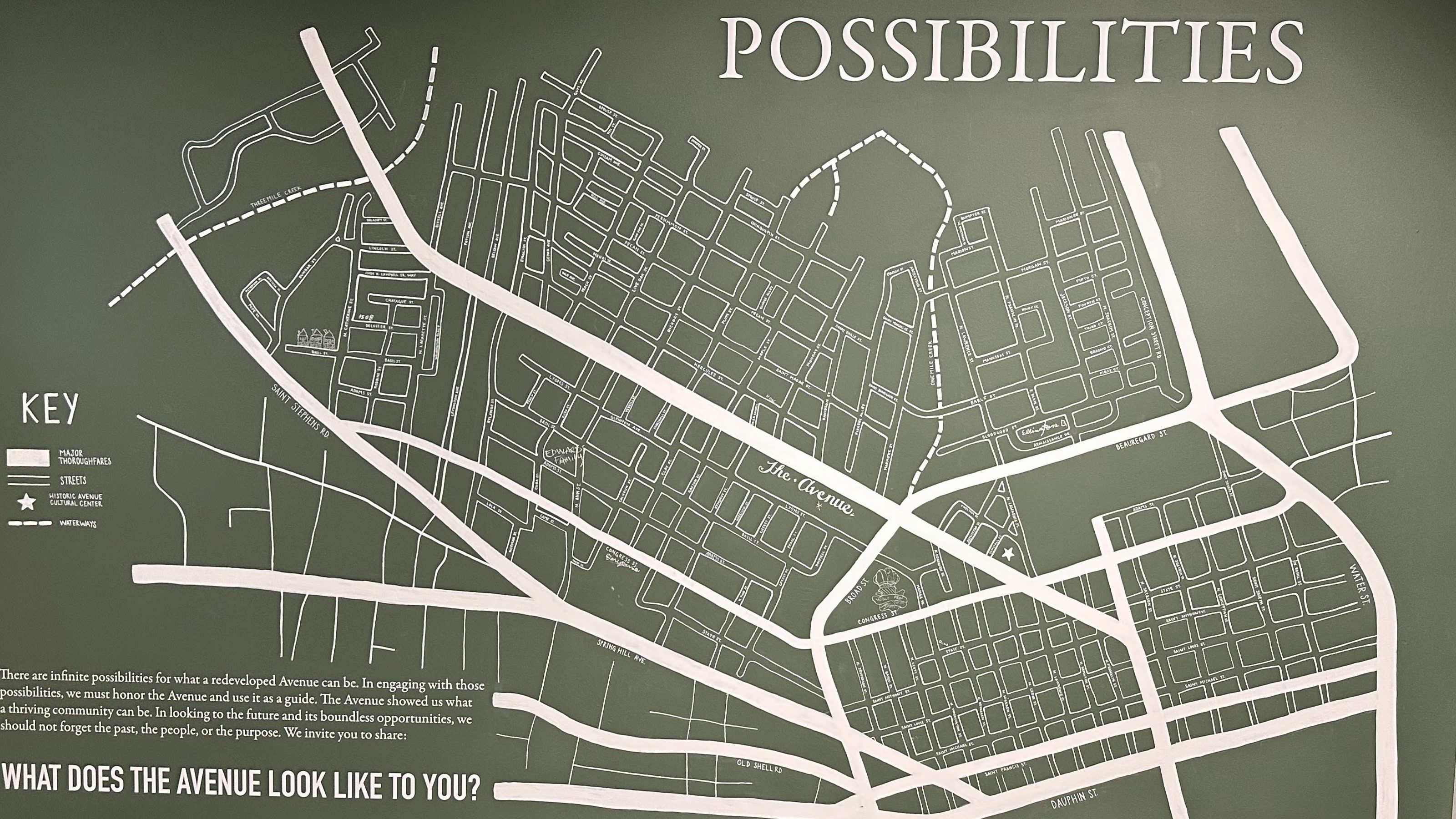
Possibilities
As we remember the Avenue, and consider the possibilities of what it could be, my hope is we use it as a guide as we move forward. The Avenue grew out of necessity due to legally sanctioned segregation. Now, in 2023, we have the opportunity to create “The Beloved Community.” The term “The Beloved Community” was popularized by Dr. MLK Jr. The “Beloved Community” was a “practical possibility humanity could create, on earth, as a spiritual goal. In Beloved community, love and justice rule people all identities are equal and included, and conflict is solved by non-violent means of reconciliation.”
Reconciliation is possible. John Lewis said, “Democracy is not a state. It is an act, and each generation must do its part to help build what we call the Beloved Community, a nation and society at peace with itself.” The Beloved Community is possible. Please consider this exhibition my contribution, on behalf of my generation, to help achieve the beloved community.
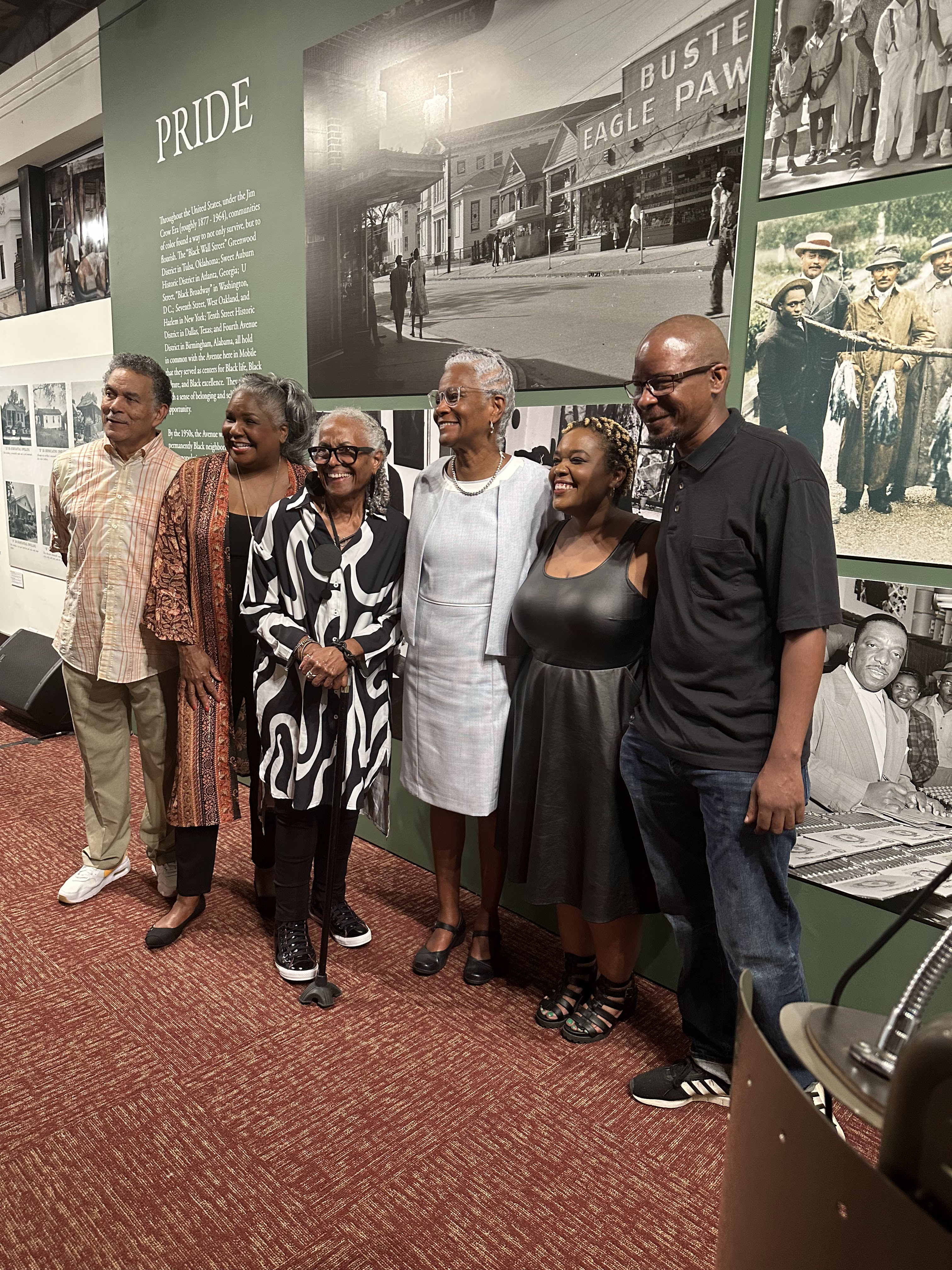
Acknowledgements:
I would like to thank Commissioner Ludgood for making this possible. I would like to thank Elizabet Elliot and the ACAC team for bringing my vision to life. I would like to thank the research team; Eric Finley, Sheila Flanagan, and Michael Campbell for offering their support, expertise, and first hand experiences. I would like to acknowledge Renee Dials, who is also a part of the research team. Renee conducted interviews with numerous Mobilians about their memories of the Avenue.
Giving space for the people speak for themselves is always best practice. Those interviews conducted by Renee are now a part of the historical record of the Avenue. It builds on the work created by Paulette Horton’s book “The Avenue. Without Paulette Horton, we would not be equipped to tell this story.
And finally, I would like to say thank you ALL for trusting me with your history.
Thank you


 preserve black alabama
Leave a reply to Jada Jones Cancel reply